
Insurance and Liability for Marylebone Removals: Legal Checklist
Posted on 29/07/2026
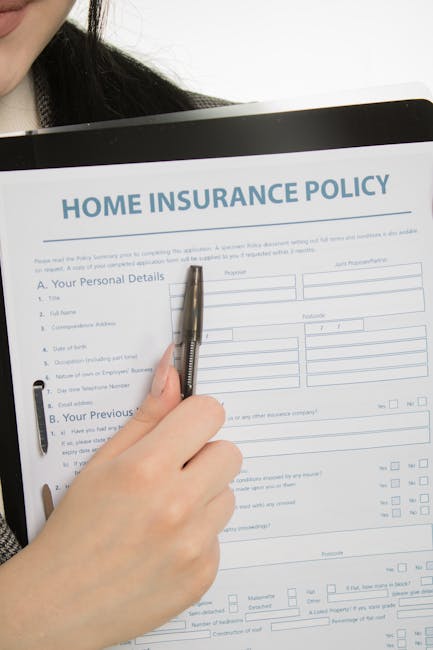
Moving in Marylebone can feel deceptively simple on paper. In real life, though, one narrow staircase, one parked van in the wrong place, or one antique side table with a chipped leg can change the whole mood of the day. That is why Insurance and Liability for Marylebone Removals: Legal Checklist matters so much. It is not just a paperwork exercise. It is the difference between a move that feels controlled and one that becomes expensive, awkward, and hard to unravel later.
This guide walks you through what to check, who is usually responsible for what, and how to spot the gaps before they become problems. If you are comparing moving services, trying to understand cover, or just want peace of mind before moving day, you are in the right place.
- Why insurance and liability matter
- How cover and responsibility work
- Benefits of checking properly
- Who needs this checklist
- Step-by-step guidance
- Expert tips
- Common mistakes
- Tools and resources
- Law, compliance and best practice
- Options and comparison
- Real-world example
- Practical checklist
- Conclusion
- Frequently asked questions
Why Insurance and Liability for Marylebone Removals: Legal Checklist Matters
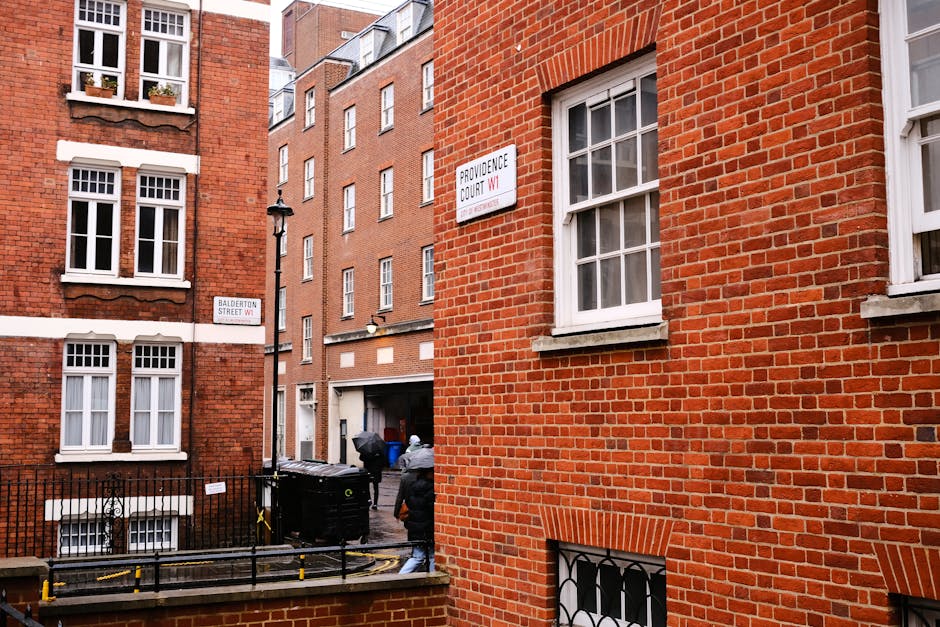
Marylebone moves often happen in tight streets, shared entrances, basement flats, converted townhouses, and buildings where the slightest mistake can create damage or delay. You may be carrying a sofa around a sharp corner, protecting polished floors, or working around a lift that is already feeling its age. That is exactly where insurance and liability become real, not theoretical.
The legal checklist matters because a move involves multiple layers of responsibility. There is the customer's property, the removal team's handling of it, the building's rules, and sometimes a landlord, managing agent, or neighbour in the mix. If something is damaged, dropped, delayed, or blocked, everyone wants to know the same thing: who pays, who fixes it, and what evidence supports the claim?
To be fair, many people do not think about this until the day before the move. That is understandable. You are busy packing, confirming keys, and trying to find the kettle. But a quick review of cover and liability can save a lot of stress later. If you want a broader view of what a professional moving service should include, it helps to start with the company's services overview and then move into the finer details.
Expert summary: If the move is valuable, awkward, or time-sensitive, do not treat insurance as a box to tick. Treat it as part of the moving plan itself.
How Insurance and Liability for Marylebone Removals: Legal Checklist Works
In practical terms, removal insurance is about financial protection if items are damaged, lost, or affected during the move. Liability is about legal responsibility: who is answerable when something goes wrong. Those two things overlap, but they are not identical. That distinction matters more than people realise.
Most removal arrangements involve a contract or set of terms that explains what the mover covers, what the customer is expected to do, and what exclusions apply. Read that section carefully. If you have ever scanned a contract in a hurry and regretted it later, well, you are not alone.
In many cases, cover and liability will depend on:
- how items were packed
- whether the item was fragile, pre-damaged, or unusually valuable
- who packed the item
- whether access was safe and reasonable
- if any special instructions were given in writing
- whether the move used full removals, a smaller van service, or a man and van arrangement
If you are using a specialised service for delicate items, the rules may be different again. For example, a piano move or antique furniture move deserves much more detailed discussion beforehand. A good starting point is the dedicated piano removals Marylebone page, especially if you need a clearer sense of specialist handling.
One simple but important point: insurance does not usually cover everything automatically. That is why the legal checklist is so useful. It helps you match the type of move to the type of cover, rather than assuming all removals are handled the same way. They are not.
Key Benefits and Practical Advantages
Getting the insurance and liability side right does more than protect against loss. It also makes the whole move calmer. You know where you stand, the mover knows what is expected, and there is less room for confusion if something happens in transit.
Here are the main benefits:
- Clear accountability: everyone understands who is responsible for damage, delays, or packing issues.
- Better claim handling: if something goes wrong, evidence is easier to gather and the conversation stays focused.
- Less risk of nasty surprises: hidden exclusions are easier to spot before moving day.
- Stronger protection for valuables: especially useful for antiques, artwork, instruments, and specialist furniture.
- Better decision-making: you can compare services on real protection, not just price.
There is also a practical advantage for local moves in Marylebone, where access can be fiddly. A move on a busy weekday morning is not the same as a suburban driveway job. Narrow roads, loading restrictions, parking realities, and building access rules all affect how risk is managed. If your move involves timing around permits or access windows, you may also find the local guidance on Westminster Council permits for Marylebone removals helpful as part of the wider planning picture.
And yes, good protection can even save time. Fewer arguments. Fewer emails. Fewer awkward phone calls at 7:15 in the evening. That alone is worth something.
Who This Is For and When It Makes Sense
This checklist is for almost anyone moving in or out of Marylebone, but some people need it more urgently than others. If any of the following sounds familiar, pay close attention:
- you are moving expensive or fragile furniture
- you live in a flat with stairs, narrow corridors, or a small lift
- you are moving from a period property or converted building
- you are responsible for office equipment, files, or IT hardware
- you need a same-day or short-notice move
- you are using storage as part of the move
- you are not sure whether the mover's standard cover is enough
- you are sharing responsibility with a landlord, agent, or building manager
Students moving into smaller rooms, flat-sharers moving between shared properties, and families moving into larger homes all have different risk profiles. A student move might be lighter, but it can still involve expensive tech and personal belongings. A family move might involve heavier furniture and more chances for wall scuffs or floor damage. Office removals can be a different animal altogether. The paperwork matters there too, perhaps even more so.
If your move is straightforward, you may only need basic confirmation. But if you are moving a grand piano, an antique sideboard, or a glass cabinet that makes everyone nervous just looking at it, then the legal checklist stops being optional. It becomes common sense.
For broader moving support, you can also explore house removals in Marylebone, flat removals Marylebone, or office removals Marylebone depending on the type of move you are planning.
Step-by-Step Guidance
Here is the practical version. This is the part to work through before you sign anything or hand over a deposit.
1. Ask what insurance is actually included
Do not assume the quote includes full protection. Ask whether the service includes goods-in-transit cover, public liability cover, and any protection for accidental damage to property. If the answer is vague, that is a small red flag. Not a disaster, just a sign to keep asking.
2. Check the exclusions
Exclusions are where many problems hide. Read them slowly. Common exclusions can include items packed by the customer, pre-existing damage, unattended items, certain high-value goods, or damage caused by poor access. If a mover excludes something important to you, you need to know before moving day.
3. Identify who is packing what
If the removal company packs fragile items, the liability position may be clearer than if you pack them yourself. That is one reason packing and boxes in Marylebone can be more important than it looks at first glance. Proper materials, solid labelling, and careful wrapping all affect risk.
4. List any high-value or awkward items separately
Tell the mover about things like art, mirrors, musical instruments, marble pieces, vintage furniture, and specialist electronics. A quick mention is not enough. Put it in writing, ideally with photos. In our experience, the quiet items cause the biggest headaches. The thing nobody mentions until the last minute is often the thing everyone worries about at the end of the day.
5. Photograph the property and the items
Take pictures before the move starts and again after loading. If the move involves shared hallways, stairwells, or entrance lobbies, take a few general shots of the access route too. It is simple evidence, but it can be very persuasive if a dispute arises later.
6. Confirm the claims process
Ask how quickly you must report damage, who receives the claim, and what documents are required. Some companies want immediate notice. Others need written confirmation within a set window. Miss the deadline and the claim becomes harder. Sometimes much harder.
7. Review the contract alongside the quote
Do not treat the quote as the whole agreement. Pricing can be one thing, terms another. If you want to compare the commercial side carefully, the page on pricing and quotes is a sensible companion read before you commit.
8. Keep contact details and documents handy
On moving day, keep a folder or phone note with the quote, contract, photos, and key contacts. When things are hectic, that little bit of order helps more than people expect.
Expert Tips for Better Results
After enough moves, a pattern starts to emerge. The smoothest jobs are rarely the ones with the cheapest headline price. They are the ones where expectations were nailed down early. A few expert habits make a big difference.
- Request written confirmation of cover: do not rely on a verbal reassurance from memory.
- Check the difference between valuation and insurance: they are not always the same thing.
- Make special items obvious: if the mover knows about the awkward sofa in advance, the risk is lower.
- Match the vehicle to the job: a larger house move may need more than a quick van run.
- Watch access issues: tight stairs and awkward parking can increase the chance of scuffs and bumps.
- Use storage carefully: if goods will sit in storage between properties, check whether the protection changes during that period.
If your move is likely to need a simpler load-and-go style service, it is worth understanding the differences between man with a van Marylebone, man and van Marylebone, and a fuller removals service. The right choice can affect both risk and responsibility.
A final tip, and this one is mundane but useful: keep the kettle out of the insured-item confusion. People often misplace small essentials and then spend the first night hunting for them. Not a liability issue, obviously, but still the sort of thing that makes a move feel messier than it needed to be.
Common Mistakes to Avoid
Most insurance problems during removals come from assumptions. People assume the quote includes everything, assume the mover will pack and carry everything, or assume damage is automatically covered. That is where things go sideways.
- Not reading exclusions: the fine print matters more than the sales pitch.
- Leaving declarations until the day of the move: high-value items should be disclosed early.
- Failing to photograph items: without evidence, claims become slower and less clear.
- Assuming customer-packed boxes are covered the same way: they often are not.
- Ignoring property access rules: if the access route is unsafe or blocked, responsibility can get complicated.
- Choosing a service purely on price: cheaper can work, sure, but only if the protections are still suitable.
There is also a local mistake that pops up now and then: forgetting that the move sits inside a wider set of practical rules, like building access, parking permissions, and timing windows. If those are mishandled, delays can happen and stress levels climb fast. A useful related read is Baker Street loading bay rules in Marylebone, especially if access on your street is tight.
Another one? People sometimes leave complaints until they are exhausted and angry. That is understandable, but a calm, timely complaint with photos and written notes is usually far more effective.
Tools, Resources and Recommendations
You do not need a huge toolkit to handle this well. A few basic tools, used properly, are enough for most moves.
- Camera phone: for before-and-after photos of items and property
- Inventory list: a simple spreadsheet or note with item names and condition
- Label printer or marker pen: to identify fragile or high-value boxes
- Copies of the quote and terms: saved digitally and in a backup folder
- Wrapping materials: blankets, bubble wrap, tape, and sturdy cartons
- Contact list: mover, building manager, landlord, agent, and any storage facility
For people who want a more organised move, it also helps to compare the broader support available. You may want storage in Marylebone if dates do not line up neatly, or furniture removals Marylebone if you have a few bulky pieces that need extra handling. If you are moving a business, the service mix may be different again. That is where a clear removal services Marylebone page can help set expectations.
If your move is urgent, it is especially worth confirming liability and cover before the van arrives. For short-notice moves, see the advice on same-day removals Marylebone and make sure the paperwork still gets attention, even if time is tight.
Law, Compliance, Standards, or Best Practice
This is not legal advice, and for a serious dispute you may need professional guidance. Still, there are a few standard UK practices worth understanding.
Removal companies typically work under a contractual framework that sets out duties, exclusions, and claims procedures. If you sign terms and conditions, those terms matter. They usually govern how responsibility is allocated for packing, access, handling, and reporting issues. That is why reading the contract properly is not optional, even if the font is painfully small.
Public liability cover is generally about harm to third parties or property belonging to others, while goods-in-transit cover is about the items being transported. Employer and health-and-safety obligations also matter where staff are involved. The mover should have a sensible safety approach, and you should expect clear communication about risks, access, and limitations.
Best practice for customers usually includes:
- accurate item disclosure
- clear written instructions
- documented condition checks
- safe packing and access arrangements
- prompt reporting of damage or loss
If you want to understand a company's wider operational standards, it can be helpful to read its own public policies too, such as the health and safety policy, insurance and safety information, and terms and conditions. That gives you a better feel for how seriously the business treats risk, not just how nicely the website is written.
For moves involving office equipment or delicate specialised pieces, ask for the practical handling method as well as the cover. A policy only helps if the process behind it is competent.
Options, Methods, or Comparison Table
Not every move needs the same level of protection or the same kind of service. Here is a simple comparison to help you choose wisely.
| Option | Typical use | Risk profile | Best for |
|---|---|---|---|
| Full removals service | Homes, flats, larger or more complex moves | Lower when properly planned and packed | Families, larger households, valuable contents |
| Man and van | Smaller loads and simpler local moves | Can be higher if packing and access are not managed carefully | Students, small flats, short-distance moves |
| Specialist item move | Pianos, antiques, awkward or fragile items | Lower when specialist handling and declarations are in place | High-value or delicate possessions |
| Storage-based move | Moves with delayed completion or staged relocation | Depends on storage terms and item condition | People between homes or offices |
The point here is not that one option is always better. It is that your choice should match your risk. A one-bed flat with a few boxes does not need the same structure as a piano move from a first-floor terrace with a tight stairwell. Common sense, really.

Case Study or Real-World Example
Imagine a couple moving out of a Marylebone flat into a larger home nearby. Their main items are a sofa, a glass dining table, two beds, and a vintage sideboard inherited from family. Nothing wild, but enough to cause trouble if rushed.
At first, they ask for a basic quote and assume everything is covered. Then they do a proper check. They find that the sideboard needs to be declared separately, the glass table should be packed by the mover rather than by them, and the stairwell at the old flat is narrow enough to require careful padding on the walls. They also realise the building's access window is shorter than they thought. Good catch.
Because they confirmed the cover in writing, took photos before loading, and listed the special items clearly, the move stays straightforward. No drama. No blame game. The sideboard arrives with no damage, the stairs stay unmarked, and everyone gets to breathe out at the end. A boring result, perhaps. But boring is lovely when it comes to moving.
Now compare that with a rushed move where the sideboard was not mentioned, the packing was casual, and nobody took photos. If damage happened there, the conversation would be messier and the evidence weaker. That is the whole point of the checklist: make the sensible path the easy path.
Practical Checklist
Use this before booking, and again the day before the move.
- Confirm what insurance is included in the quote.
- Ask for the wording on goods-in-transit and public liability cover.
- Read exclusions carefully, especially for customer-packed items.
- List all high-value, fragile, or unusual items in writing.
- Take dated photos of valuable items and existing marks.
- Confirm who will pack what and how fragile items will be wrapped.
- Check access, parking, lifts, stairs, and loading restrictions.
- Keep a copy of the contract and quote in an easy-to-find place.
- Ask how to report damage and what deadline applies.
- Make sure special arrangements are written into the booking notes.
- Review storage cover separately if items will not travel directly to the final address.
- Keep a calm record of any incident on moving day, even if it seems minor at first.
Quick takeaway: the best protection is not just having insurance. It is knowing what it covers, what it excludes, and what you must do to keep the cover valid.
Get a free quote today and see how much you can save.
Conclusion
Insurance and liability are easy to ignore until something shifts, scrapes, or breaks. Then they become the only things anyone wants to talk about. The good news is that a clear legal checklist makes all of this much easier to manage. You do not need to be an expert in contracts or claims. You just need to ask the right questions early, keep things in writing, and choose a moving setup that matches the real risk of your items and access conditions.
For Marylebone moves, that careful approach is especially worthwhile. The streets are busy, the buildings can be awkward, and the smallest planning gap can cause a surprisingly big headache. But if you sort out the liability side properly, the day becomes much more manageable. Less guesswork. Less tension. More control.
And that, honestly, is the bit people remember later: not the paperwork itself, but the relief of knowing it was handled properly.

