Removal Companies in Marylebone

Our removal companies in Marylebone service is built around practical moving help for homes and businesses that need careful planning, handled loading and a clear handover at the other end. We focus on the work that makes a move feel organised rather than rushed: lifting, carrying, protecting items in transit and arranging a straightforward schedule that suits the property, access and volume involved.
If you are comparing options, the useful starting point is the removal services overview, which sets out how a typical move can be planned around property size, access, packing needs and the type of furniture being moved. That makes it easier to decide whether you need a full household move, support for a single office, or a lighter service with fewer items and simpler loading requirements.
Tell us what needs moving and when you would like it completed, then ask for a quotation in plain terms. A well-prepared enquiry helps us match the right level of vehicle, labour and packing support to the job, without adding unnecessary extras or leaving key details unclear.
House and flat removals
House and flat removals call for a sensible balance between efficiency and care. In Marylebone, properties often involve stairs, shared entrances, lift use or limited loading space, so the practical side of the move matters as much as the transport itself. We can handle the removal of furniture, boxed belongings and everyday household contents in a way that keeps the process ordered and manageable from the first lift to the last placement.
Where a move needs a more complete household service, the house removals page gives a useful picture of the type of work usually involved. That includes moving larger furniture, managing access, and keeping fragile or awkward items suitably protected while they are being taken out of the property and loaded for transport.
For smaller households or lighter loads, a simpler option may be better suited. The aim is not to oversell the size of the job, but to match the service to the contents, distance and access conditions so that the move feels calm, carefully managed and costed in a way that makes sense.
Office and business relocations

Office and business relocations need clear sequencing because desks, chairs, storage, files and equipment each create different handling needs. Commercial moves are often shaped by access hours, building rules and the amount of disassembly required before anything can be lifted safely. We can support office relocation work in Marylebone with an approach that keeps the move practical, structured and focused on getting the workplace transferred with as little disorder as possible.
For a fuller look at business-related moving work, see office removals. That page sits well alongside enquiries involving office furniture, archive items, internal circulation space and the need to move items without disrupting the general running of the premises more than necessary.
Some moves are better planned as a staged project rather than a single lift-and-go exercise. That is especially true when items need to be sorted by department, floor or room, or when a manager wants to separate essential items from everything else. In those cases, a careful route through the building and a clear loading plan can make the whole relocation easier to control.
Packing support and item preparation
Packing is often the difference between a smooth removal and one that becomes difficult to manage. Good packing reduces movement in transit, helps protect fragile belongings and keeps rooms easier to clear in a logical order. Depending on the job, the support may involve supplying materials, wrapping key items, boxing contents or packing selected rooms while the customer handles the rest.
If you need help with preparation, the packing and unpacking services page is a relevant place to understand how items can be organised before and after the move. It is particularly useful where breakables, books, kitchenware, paperwork or mixed household contents need a more considered approach than standard box-filling.
A practical checklist usually helps keep packing decisions manageable:
- group similar items together before boxing them
- separate fragile belongings from heavier general contents
- label rooms or categories clearly where it helps unloading
- keep essential documents and valuables with you rather than on the van
Vehicles, loading and the right scale of move
Choosing the right moving vehicle is not simply about capacity; it is also about access, the number of items and how the load needs to be arranged inside. A larger move may call for a more substantial van or truck, while a smaller relocation can be handled with a lighter setup if the contents are modest and the route is straightforward. The aim is to keep the move efficient without paying for unnecessary size.
Where the vehicle choice is a major part of the decision, the removal van page gives a useful idea of how van-based moving work is positioned. It is especially relevant where the load is carefully packed, the number of bulky pieces is limited, or the collection and delivery points are both easy to reach.
Loading also deserves proper attention. Heavy items should be positioned securely, fragile objects should not be crushed, and awkward shapes need to be arranged so that they stay stable during transit. A well-loaded vehicle is not just tidier; it is safer for the furniture, the contents and the people moving it.
Furniture, single items and partial moves

Not every customer needs a full property clearance or complete house move. Sometimes the job is simply to move a sofa, a wardrobe, a bed frame, office furniture or a small group of items from one address to another. Furniture moves still need care, especially when pieces are heavy, unevenly balanced or awkward to carry through narrow hallways and staircases.
Where individual items or small batches are involved, the furniture pick up page is a useful reference point. It suits moves where the emphasis is on collecting or delivering larger pieces cleanly and safely rather than coordinating a whole household relocation.
Partial moves also help when a customer is relocating in stages. That may mean one room at a time, selected business furniture, or a mix of boxed contents and larger items. The point is to keep the work proportionate, so the moving plan reflects the actual contents instead of forcing everything into a one-size-fits-all approach.
Marylebone local context
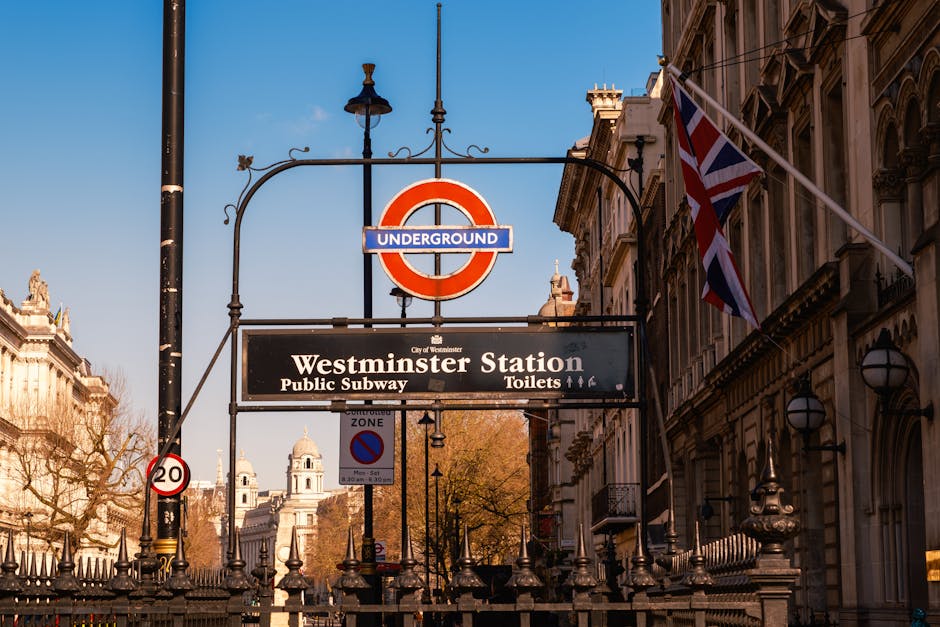
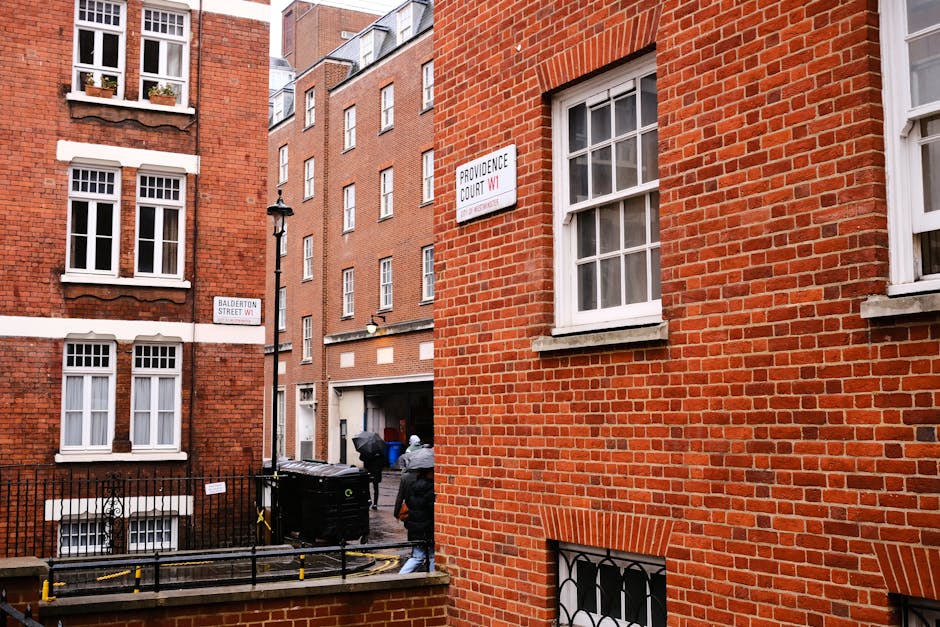
Marylebone is a central London district within the City of Westminster, shaped by Georgian streets, long-established squares and a closely woven mix of housing, retail and institutional buildings. Its street pattern is more orderly than many parts of inner London, with notable arteries such as Baker Street and Marylebone High Street running through an area that still retains a strong village-like identity despite its urban setting. The district sits close to Regent’s Park, which gives it a green edge that contrasts with the denser built form around Oxford Street and the wider West End. The area’s architectural character includes terraces, mansion blocks and converted period buildings, many of which have retained their original façades even when their internal uses have changed over time. Marylebone Station and the wider transport network make the district well connected, while landmarks such as the Wallace Collection, the Royal Academy of Music and the proximity of the Western boundary around Paddington and Regent’s Park help define its cultural geography. The neighbourhood has long been associated with professional, medical and residential uses, but it also contains independent shops, hotels and everyday services that contribute to a busy street life. This combination of historic fabric, high footfall and varied building types gives Marylebone a distinct identity within central London, with both quiet side streets and busier thoroughfares operating side by side.
How removal quotations are usually prepared
Quotation work is best handled with accurate details rather than guesswork. The main points usually include what is being moved, how many rooms or pieces are involved, whether packing support is needed and whether access is straightforward at each end. When the information is clear, the quotation can reflect the actual work rather than a generic estimate that leaves too much room for confusion later.
If you are ready to compare options, the pricing and quotes page is the most direct place to start. It sits naturally alongside enquiries that need a clearer view of scope, whether the move is a full household relocation, a small office transfer or a partial move involving only selected furniture and boxes.
The most helpful enquiries are usually concise and factual: number of floors, major items, packing needs, parking or access restrictions and any timing constraints. You do not need a perfect inventory before asking for a quote, but a clear outline helps reduce back-and-forth and makes the process easier for everyone involved. Please request a quotation when you have the basics ready.
Planning access, timing and handling

Access can affect the whole shape of a move. Stairs, lifts, narrow doorways, distance from the vehicle to the entrance and loading restrictions all influence how the work should be arranged. Even a straightforward move benefits from thinking through the route before lifting begins, because the right preparation helps avoid delays and reduces the chance of items being carried in the wrong order.
For customers considering a wider moving arrangement, the removals page gives a broad view of the general service category and how different kinds of domestic or business move can be approached. It is a sensible page to check when deciding whether you need a basic transport-only arrangement or a fuller service that includes loading, protection and transport in one plan.
Timing matters too, especially where building access is limited or a move needs to fit around work, travel or property handover arrangements. A realistic schedule keeps the day more manageable and gives enough room for loading, transit and placement without making assumptions about what can be rushed.
Other removal options that may suit your move
Some enquiries fall between a standard home move and a single-item collection, so it helps to know what other service styles exist. A lighter man-and-van arrangement may suit smaller loads, while a more complete service can be better for properties with larger furniture, fuller rooms or more demanding access conditions. The best choice is the one that fits the contents and the level of help actually needed.
Where a smaller moving setup is appropriate, the man and van page explains the general format well. It is useful when the job involves fewer items, less packing complexity or a shorter, simpler move that still needs careful lifting and transport.
That said, not every move should be reduced to the lightest possible option. Larger sofas, wardrobes, business storage, multiple boxes or a full flat’s contents may need a more substantial arrangement. In those cases, the service should be chosen for practicality rather than appearance, so the move remains orderly from start to finish.
Requesting the right support for your move

When people compare removal companies, they often want the same thing: a service that matches the contents, the building and the timetable without overcomplicating the job. That is why it helps to think in terms of support level rather than labels alone. A move may need packing help, furniture handling, vehicle planning or just careful transport between two nearby addresses.
Use the contact us page if you are ready to ask for a quotation or would like to outline a move in more detail. A short message with the key facts is usually enough to begin: the property type, the items involved, the dates you are considering and any access details that may affect loading or delivery.
Request a quotation today and send the essentials in one clear enquiry. If you are still deciding, you can review the relevant service pages first and then come back with a focused request once you know which level of removal support fits best.