
Wimpole Street and Cavendish Square Moves: Parking & Permit Tips
Posted on 14/05/2026
Wimpole Street and Cavendish Square Moves: Parking & Permit Tips for a Smoother Marylebone Move
Moving around Wimpole Street and Cavendish Square can feel deceptively simple on a map and surprisingly tricky on the ground. The streets are central, elegant, busy, and often tight for space. That means the difference between a calm moving day and a slightly frantic one often comes down to parking, loading access, and getting the right permit arrangements in place early. If you are planning a home or office relocation in this part of Marylebone, a little preparation goes a long way.
This guide to Wimpole Street and Cavendish Square Moves: Parking & Permit Tips breaks down how local parking tends to work, what usually causes delays, and how to plan around the realities of London streets. We will cover the practical steps, the common mistakes, and the decisions that make the biggest difference on moving day. Truth be told, a good move here is less about luck and more about timing.
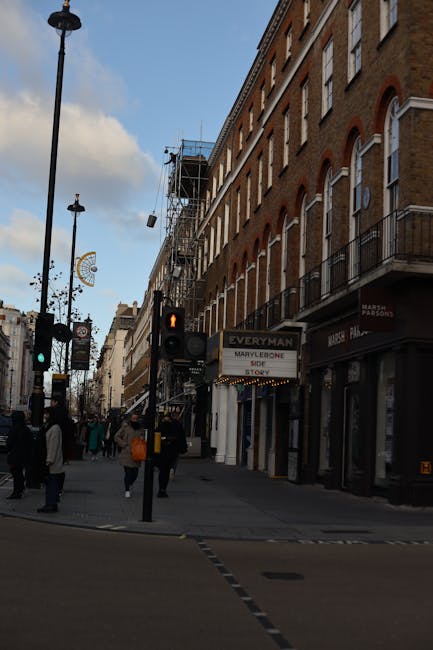
![A residential street scene featuring a row of red-brick apartment buildings with multiple floors, each with white-framed windows and small balconies with black metal railings. Several parked cars, including sedans and hatchbacks, line the street on both sides, some with visible license plates. The pavement is wide, with a concrete sidewalk on the right side, and a black metal fence bordering the properties. In the foreground, a loading area is visible where furniture, cardboard boxes, and packing materials are being prepared for home relocation. The sky is partly cloudy with patches of blue, and there are trees and other modern buildings in the background. The image provides a clear view of urban moving logistics, where [COMPANY_NAME] might be involved in furniture transport and packing during a house removal on Wimpole Street and Cavendish Square.](/pub/blogphoto/wimpole-street-and-cavendish-square-moves-parking-permit-tips1.jpg)
Why Wimpole Street and Cavendish Square Moves: Parking & Permit Tips Matters
Wimpole Street and Cavendish Square sit in an area where the road network is busy, the kerb space is precious, and the margin for error is slim. Even when your property is only a short walk from where the van can stop, the actual move can still be slowed down by waiting for a space, a permit issue, or a loading restriction you did not expect.
That matters for a few very practical reasons. First, removal teams work to a schedule. If the vehicle cannot park close enough, the job becomes slower and more expensive. Second, residents and businesses in this part of Marylebone are used to traffic flow and access rules being respected; a badly planned move can upset neighbours, building managers, and even your own lift booking. Third, parking stress can spill into everything else. Boxes sit in the hallway, fragile items stay on the pavement too long, and someone ends up asking, "Where exactly can the van stop?" at the worst possible moment.
If you want a broader look at the local moving picture, it is worth reading about the realities of living in Marylebone and the practical side of removals in Marylebone. Those pages help frame the local context before you get into the finer details of parking and access.
Key point: in this area, parking arrangements are not a minor detail. They are part of the move itself.
How Wimpole Street and Cavendish Square Moves: Parking & Permit Tips Works
Think of parking for a move as three separate tasks: finding a legal stopping point, reserving or notifying the relevant authority where needed, and coordinating the van's arrival with the building or property access. Miss one of those steps and the whole plan becomes less efficient. Not impossible. Just messy.
In central London, loading and waiting restrictions can change from street to street, and sometimes even from one side of the road to the other. That means you should never assume a nearby bay, single yellow line, or wide-looking curb is automatically suitable for a removal vehicle. The best approach is to check the exact location, the property access, and the likely size of the van together.
For many moves, the practical route is to use a removal company that already understands London access issues and can advise on vehicle choice, timing, and parking strategy. If you are comparing service types, pages like house removals in Marylebone, flat removals, and office removals give a good sense of how different property types affect access planning.
Usually, the moving-day process works like this:
- Check the property type, road layout, and any restrictions near the entrance.
- Confirm whether a parking suspension, bay reservation, or simple loading arrangement is needed.
- Choose a vehicle that can physically reach the location without causing access issues.
- Plan the arrival time around traffic, building access, and lift availability.
- Keep the move moving by having items packed, labelled, and ready before the van arrives.
That sounds basic, but in practice it saves a lot of grief. Especially if you are dealing with a narrow street, a basement flat, or a building with strict concierge rules.
Key Benefits and Practical Advantages
Getting the parking and permit side right delivers benefits that go beyond convenience. It can reduce costs, protect your items, and make the entire day feel more under control. Let's face it, moving is stressful enough without circling the block for twenty minutes while somebody watches the clock.
- Less waiting time: a legal and realistic parking plan helps the team start work sooner.
- Lower risk of fines or complaints: proper arrangements reduce the chance of parking penalties or disputes with neighbours.
- Better protection for belongings: fewer carrying distances means less handling and less chance of knocks or drops.
- More predictable costs: when the team can park properly, the move is usually easier to estimate.
- Less pressure on the day: everyone knows where the van goes, who opens doors, and what happens next.
For larger or more delicate items, parking efficiency matters even more. A piano, for example, is not something you want making extra trips down a long pavement. If you have heavier or awkward items, have a look at piano removals in Marylebone and furniture removals services for an idea of how specialist handling changes the access plan.
There is also a less obvious benefit: a smoother move is usually better for your neighbours, building staff, and everyone else using the street. That matters in a polished central London area where people notice if a lorry blocks the flow for too long.
Who This Is For and When It Makes Sense
This advice is useful for more than just homeowners. Wimpole Street and Cavendish Square attract a mix of residents, renters, offices, professionals, and property buyers, so the parking challenge can show up in different ways.
You will benefit from this guidance if you are:
- moving into or out of a townhouse, flat, or serviced apartment;
- relocating an office or consultancy in the Cavendish Square area;
- coordinating a short-notice move with limited access time;
- bringing in furniture, appliances, or archive boxes;
- handling a same-day or partially flexible move;
- trying to avoid parking tickets, access complaints, or loading delays.
This is also relevant if you are buying a property nearby and planning your move around completion day. If that is you, you may find home buying tips in Marylebone and the Marylebone real estate buying guide helpful for timing the move itself.
Sometimes the issue is not the size of the move. It is the timing. A small move on a busy weekday can be trickier than a bigger move on a better-planned morning. That catches people out quite often.
Step-by-Step Guidance
If you want to keep the day calm, treat parking and permits as part of the moving checklist from the very beginning. Here is a practical way to handle it.
1. Check the exact property access
Start with the basics. Is the property on a main road, side street, mews-style access, or square-facing frontage? Is there a concierge? Is there a lift? Can the van reasonably stop close to the entrance without blocking traffic or entering a restricted area? Those details shape everything else.
2. Identify loading restrictions early
Do not rely on a quick glance from the pavement. Look at signs, marked bays, and any time-based restrictions. In London, what looks like usable curb space may still be unsuitable during certain hours. If you are not sure, get a second pair of eyes on it. A removals team or property manager usually spots the awkward bit faster than a tired homeowner with a coffee in one hand.
3. Speak to building management or neighbours if needed
If the building has rules for move-ins, lift bookings, or temporary access, sort those before moving day. In some cases, a simple heads-up to neighbours helps avoid awkwardness when a van is reversing or items are being carried in and out. A small courtesy note can save a lot of side-eye, honestly.
4. Decide on the right vehicle size
A larger van is not always better in central London. Sometimes a smaller, more manoeuvrable vehicle makes the move easier because it can position closer to the entrance. That can be particularly helpful for man and van moves in Marylebone or for jobs where access is tight and the load is modest.
5. Build the timing around the street, not just your diary
Choose a time that works for access, traffic, and any building slots. Early morning can be helpful, but only if the property and permit setup are ready. Midday may be easier for some streets and worse for others. There is no universal answer, which is slightly annoying, but there it is.
6. Pack and stage items before the van arrives
When the vehicle does arrive, the team should be able to load quickly. Labels, sealed boxes, protected furniture, and an obvious path to the door all reduce dwell time on the street. If you need packing support, packing and boxes in Marylebone can be a practical next step.
7. Confirm the plan again the day before
One last check is worth it. Reconfirm the parking approach, the arrival window, and any building access codes or contact numbers. Small changes happen. A revised concierge rule or a blocked bay can derail a good plan if nobody notices in time.
Expert Tips for Better Results
Most moving problems in this area are not dramatic. They are small, cumulative annoyances: one delayed lift, one unclear bay, one van too large for the corner. The best tips are the ones that remove friction before it starts.
- Keep contact details handy: building manager, removal crew, and a mobile number that actually works on the day.
- Use photo references: a quick photo of the parking spot or building entrance can prevent misunderstandings.
- Protect the route: floor coverings, door protection, and good stacking discipline save time and damage.
- Think in minutes, not miles: a nearby legal bay may still be better than a closer but uncertain stopping point.
- Have a backup idea: if the first space is gone, know where the next safe option is.
One practical habit that helps is to walk the route yourself the day before. Not in a dramatic "survey the battlefield" way. Just a normal walk, maybe with a tape measure or your phone camera. You notice the awkward corners, the narrow loading gap, the steep step at the entrance. Those little details matter.
If the move is urgent or you are under pressure from a completion deadline, you may also want to explore same-day removals in Marylebone. That kind of service can be useful, but only if access is planned sensibly from the start.
Common Mistakes to Avoid
A lot of moving-day headaches in Wimpole Street and Cavendish Square come from a few recurring mistakes. Most are avoidable with a bit of foresight.
- Assuming any roadside space will do: central London parking is rarely that simple.
- Leaving permit arrangements too late: last-minute requests often narrow your options.
- Booking a vehicle before checking access: the wrong van size can turn a tidy move into a slow one.
- Forgetting building rules: lift protection, move-in windows, and concierge procedures can all matter.
- Underestimating loading time: if the van has to park farther away, your schedule needs breathing room.
- Not briefing the team: if the crew does not know where to stop or enter, everyone wastes time.
There is also the classic mistake of thinking the parking issue will sort itself out once the van arrives. It rarely does. A bit like assuming the weather will clear because you have a big cardboard box over the sofa. Charming idea, not a plan.
If your move involves storage because access or timing is messy, take a look at storage options in Marylebone. Temporary storage can be a sensible pressure-release valve when key dates do not line up neatly.
Tools, Resources and Recommendations
You do not need a toolkit full of specialist gear to manage parking and permits well, but a few simple resources make life easier.
- Street-view or mapping tools: useful for checking approach roads and likely van access.
- Building management contact details: essential for lift bookings, move notices, and access instructions.
- Inventory list: helps you match the move size to the vehicle and crew.
- Labels and floor plans: especially helpful for flats and office moves.
- Removal company guidance: a good local team will understand what tends to work in central Marylebone.
If you want a broader sense of the company's approach before booking, pages such as services overview, removal services in Marylebone, and removal companies in Marylebone are useful starting points. For more about standards and customer care, you can also review insurance and safety information and the health and safety policy.
If your move includes fragile or unusual items, a local specialist can make a real difference. For example, a difficult staircase, a valuable table, or a tight hallway often changes the entire moving plan. That is where experience matters more than sales language.
Law, Compliance, Standards, or Best Practice
Parking and permits in central London sit within local traffic management rules, building policies, and ordinary road safety expectations. Exact requirements can vary by street and borough, so it is always wise to check the current local guidance rather than relying on old assumptions or hearsay from a neighbour who moved "a few years back." Rules do change.
In practical terms, best practice usually means:
- using only legal parking or loading arrangements;
- respecting time limits and bay restrictions;
- avoiding obstruction to pedestrians, cyclists, buses, or emergency access;
- coordinating with building management where applicable;
- using properly insured and safety-conscious removal services.
For readers who care about trust and process, it is also sensible to check service terms, payment handling, and complaint routes before booking. That is not overcautious; it is sensible. You can review terms and conditions, payment and security information, and the complaints procedure for additional reassurance.
Best practice also includes environmental common sense. If your move generates packaging waste, consider reuse and disposal thoughtfully. The page on recycling and sustainability is relevant if you want to cut down on unnecessary waste during the move.
Options, Methods, or Comparison Table
Different moves call for different parking strategies. The right choice depends on property type, amount of furniture, and how busy the street is likely to be.
| Approach | Best for | Pros | Trade-offs |
|---|---|---|---|
| Pre-arranged legal loading space | Most residential and office moves | Predictable access, less delay, easier loading | Requires advance planning and correct timing |
| Smaller van / man and van | Light moves, single flats, awkward streets | More manoeuvrable, easier to position | May require more trips for larger loads |
| Full-service removals team | Households, offices, larger or fragile moves | Better coordination, efficient loading, more support | Needs more detailed scheduling |
| Storage-first approach | Moves with timing gaps or access issues | Reduces pressure if dates do not align | Extra handling and an additional logistics step |
For smaller jobs, a man with a van in Marylebone can be a good fit. For more structured moves, especially where furniture or multiple rooms are involved, a fuller service like house removals often works better. The best option is the one that matches the street conditions, not just the item count.
Case Study or Real-World Example
Imagine a flat move from a property off Wimpole Street on a weekday morning. The client has a sofa, a bed, several boxes of books, and a few fragile items. Nothing outrageous. But the building has a narrow entrance, the street is already active early, and the nearest legal stopping point is not directly outside the front door.
Without a plan, the day could easily wobble. The van might arrive while another vehicle is in the bay. Someone might assume there is space "just around the corner." The lift booking might overlap with another resident's delivery. That is the sort of thing that creates the annoying 20-minute delay that somehow feels like an hour.
With a better plan, the move becomes manageable. The client confirms the access window the day before, the team brings the right vehicle size, the route from the van to the door is cleared, and the most fragile items are loaded first. The move still takes effort, of course, but it feels organised. Calm enough. Almost boring, which is exactly what you want on moving day.
That is the real lesson here: the quality of the parking plan shows up in the flow of the whole move. It is not flashy, but it is the bit that keeps everything else from slipping sideways.
Practical Checklist
Use this checklist a few days before the move, then again the day before. A quick review now saves a lot of running around later.
- Confirm the exact pickup and delivery addresses.
- Check local parking or loading restrictions near both properties.
- Verify whether a permit, suspension, or building notification is needed.
- Choose a van size that suits the street and the load.
- Book any lift access or concierge slot in advance.
- Label boxes and stage furniture for quick loading.
- Keep contact details for the removals team and building manager to hand.
- Prepare a backup parking idea in case the first option is unavailable.
- Protect fragile items and disassemble furniture where needed.
- Double-check arrival times, especially if the move is tied to completion or handover.
And if you still feel uncertain, that is normal. Central London moves can be a bit fiddly. A good local team should be able to help you make sense of it without turning it into a drama.
Conclusion
Parking and permit planning is one of those moving tasks that looks minor until it goes wrong. Around Wimpole Street and Cavendish Square, it deserves proper attention because the streets are busy, the space is limited, and the cost of poor coordination can be more than just a mild inconvenience.
Handled well, though, the move becomes much easier to manage. The van arrives where it should, loading happens efficiently, and everyone gets on with the day without the usual street-level chaos. That is the goal, really. Not perfection. Just a move that feels controlled, respectful, and a lot less stressful than you feared at first.
If you are planning a move in this part of Marylebone and want a team that understands the local logistics, take the next step when you are ready.
Get a free quote today and see how much you can save.
For tailored support or a quick conversation about your move, you can also contact the team here. Sometimes a short chat clears up more than a long evening of guessing.
![A residential street scene featuring a row of red-brick apartment buildings with multiple floors, each with white-framed windows and small balconies with black metal railings. Several parked cars, including sedans and hatchbacks, line the street on both sides, some with visible license plates. The pavement is wide, with a concrete sidewalk on the right side, and a black metal fence bordering the properties. In the foreground, a loading area is visible where furniture, cardboard boxes, and packing materials are being prepared for home relocation. The sky is partly cloudy with patches of blue, and there are trees and other modern buildings in the background. The image provides a clear view of urban moving logistics, where [COMPANY_NAME] might be involved in furniture transport and packing during a house removal on Wimpole Street and Cavendish Square.](/pub/blogphoto/wimpole-street-and-cavendish-square-moves-parking-permit-tips3.jpg)

