Hidden Costs in Marylebone Removals: Spot Extra Fees Early
Posted on 10/06/2026
Moving in Marylebone can feel deceptively simple on paper. The quote arrives, the dates line up, the van is booked, and then-well, the invoice starts to grow legs. Hidden costs in Marylebone removals are usually not dramatic scams or mysterious charges; more often, they are small extras that were never discussed clearly enough at the start. But those small extras can add up fast, especially in a busy central London area where parking, access, stairs, timing, and packing all matter.
This guide breaks down the extra fees people most often miss, how they appear, and how to spot them early without getting buried in jargon. If you are comparing providers, planning a flat move, or looking at a bigger house relocation, a little attention now can save a lot of stress later. And let's be honest, nobody wants to be unpacking at 8 p.m. with a surprise surcharge hanging over them.
Why Hidden Costs in Marylebone Removals: Spot Extra Fees Early Matters
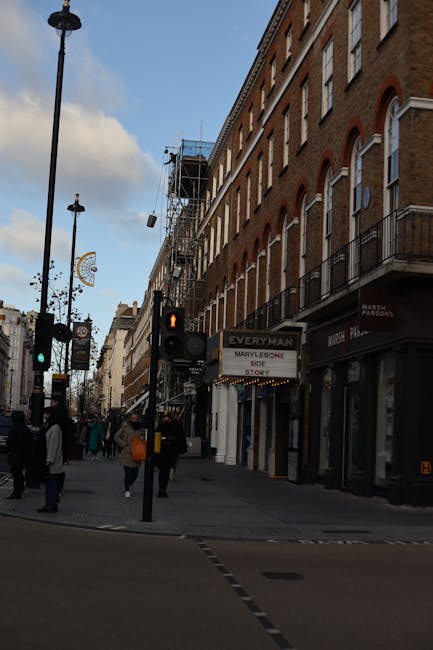
Marylebone is not a generic suburb with wide roads and easy loading. It is central, compact, and often a bit awkward for vehicles. That is exactly why hidden costs matter here more than many people expect. A quote that looks competitive at first glance can become expensive if the provider later adds charges for access, waiting time, stair carries, long walking distances from van to property, parking complications, or same-day changes.
There is also the emotional side. Moving day is already a pressure cooker. You are balancing keys, inventory lists, paperwork, neighbours, lift bookings, and possibly a child asking where their favourite mug has gone. A surprise fee on top of that can turn a manageable day into a grim one. To be fair, most people are not worried about a few pounds here and there; they are worried about whether the quote they agreed to was real in the first place.
That is why early fee spotting is not just about budget control. It is about trust. It helps you compare like for like, choose the right service level, and avoid that awkward moment when the driver arrives and says, "Oh, that wasn't included." If you are exploring broader moving support, it can help to read about the wider range of removal services in Marylebone and how different job types are usually priced.
How Hidden Costs in Marylebone Removals: Spot Extra Fees Early Works
Hidden costs usually appear because a quote is based on incomplete information. The provider may price the job on volume, time, manpower, and access assumptions. If those assumptions change, the price can change too. That is not automatically unfair. In fact, in removals it is normal for certain extra services to be chargeable. The problem starts when the customer does not know what those extras are until the day of the move.
Common examples include:
- Parking and access issues that require longer carrying distances or waiting time.
- Stairs or no lift access in flats and mansion blocks.
- Bulky or specialist items such as wardrobes, pianos, or oversized furniture.
- Packing materials if boxes, tape, and wrap were not included.
- Storage needs when completion dates do not line up.
- Timing changes such as early starts, weekend moves, or urgent bookings.
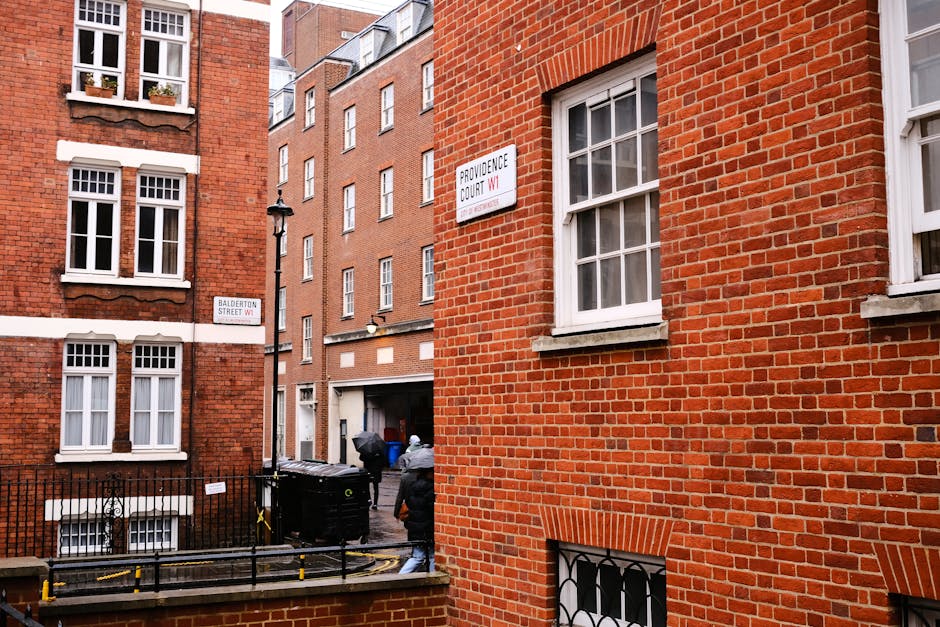
In Marylebone, these extras are especially relevant because many properties sit on streets where access is tight, loading space is limited, and parking can be a real puzzle. If your move involves narrow entrances or awkward terraces, the practical realities described in this guide to tight-terrace moves are a useful reminder that the geometry of the street affects the final price.
The best removals companies will ask detailed questions before they quote. They want to know about floors, lift access, item count, distance from property to van, disassembly needs, and whether any parking permit or waiting restriction applies. If they do not ask, that is a red flag. Not a deal-breaker every time, but definitely something to watch.
Key Benefits and Practical Advantages
Spotting extra fees early gives you more than cost control. It gives you leverage. Once you know what can be charged separately, you can decide whether to include it, remove it, or organise it yourself.
- Better quote comparisons - you can compare the true total, not just the headline number.
- Fewer day-of-move surprises - no awkward payment conversations when the truck is already outside.
- More accurate budgeting - useful if you are already paying deposit costs, cleaning, inventory changes, or temporary storage.
- Smarter packing decisions - you may choose to pack more yourself if labour charges are high.
- Lower stress - simple, but important. A clear plan makes the whole day feel less chaotic.
There is also a nice side effect: you tend to get a better service. A company that explains its pricing properly is usually a company that handles the job properly. Not always, but often enough that it matters.
If you are moving from a flat, the structure of the job can be different again. Lift use, corridor distance, and stair access are all worth discussing ahead of time. You can see how those moves are typically framed by reviewing flat removals in Marylebone. For larger homes, the planning changes again, so house removals in Marylebone may be more relevant.
Who This Is For and When It Makes Sense
This advice matters for almost anyone moving in Marylebone, but a few groups are especially likely to benefit.
Flat renters and leaseholders often face access surprises. Many assume a small move means a small bill, then discover that three flights of stairs and a restricted loading bay change the maths completely.
Homebuyers need to be careful because purchase dates can shift. If your completion moves by a day, there may be extra waiting, rescheduling, or storage charges. If you are in that situation, the broader planning advice in home buying tips in Marylebone and the Marylebone real estate buying guide can help you anticipate the moving side of the transaction.
Students usually want low-cost, fast moves, but even small jobs can be padded with fees if the scope is not clear. If that sounds familiar, student removals in Marylebone are worth looking at for the kind of service that suits smaller loads.
Office managers and business owners have a different risk profile. There may be IT packing, access restrictions, out-of-hours work, or extra insurance requirements. For that scenario, office removals in Marylebone can be the better reference point.
Anyone with delicate or bulky items should ask about specialist handling. A piano, for example, is not just "another heavy object." It needs planning, skill, and often different equipment. That is why services like piano removals in Marylebone exist in the first place.
Step-by-Step Guidance
If you want to spot hidden costs early, use a simple process. Nothing fancy. Just careful questions and a bit of discipline.
- List everything that needs moving. Write down furniture, boxes, appliances, fragile items, and anything unusually large. If it is awkward to carry, mention it.
- Check access at both properties. Note stairs, lifts, narrow hallways, basement rooms, entry codes, and walking distance from the road. A quick photo or video can help.
- Ask what the quote includes. Confirm labour, vehicle, fuel, mileage, packing materials, dismantling, reassembly, waiting time, and VAT if applicable.
- Ask what could trigger an extra charge. This is the key one. Don't ask only "how much is it?" Ask "what changes the price?"
- Confirm parking arrangements. In central London, this can be the difference between a smooth move and a complicated one. If your area is especially sensitive, the article on parking permit tips for Wimpole Street and Cavendish Square moves is a handy local example.
- Check whether packing is included. Some people assume boxes and wrapping are part of the job. Sometimes they are, sometimes not. Make that explicit.
- Get the terms in writing. A written quote or confirmation is much safer than a vague verbal promise. Later memories can be, shall we say, very selective.
- Reconfirm before moving day. If your completion date, address, or access details change, tell the provider immediately.
One practical tip from experience: if a provider seems to be rushing you through the quote stage, slow the process down. A few extra minutes on the phone can save a very expensive misunderstanding later.
What to ask before you book
- Is the quote fixed or estimate-based?
- Are there charges for stairs, long carries, or waiting?
- Are packing materials included?
- Is disassembly/reassembly included?
- What happens if completion or key handover is delayed?
- Are there minimum charges for shorter jobs?
- What payment methods are accepted and when is payment due?
Expert Tips for Better Results
These are the small things that tend to make the biggest difference.
1. Treat the quote call like an inspection, not a quick chat. The more detail you provide, the better the estimate. Guessing is expensive. Silence is worse.
2. Be honest about access. People sometimes understate awkward details because they worry the price will go up. It usually does not help. If anything, it can lead to a worse surprise later.
3. Photograph the difficult bits. A narrow stairwell, a tight doorway, a long driveway, a shared entrance-these images help the removal team price accurately.
4. Separate "nice-to-have" from "must-have." Do you need full packing, or just fragile items packed professionally? Do you need storage, or can you close the gap another way?
5. Read the terms carefully. The dry bits matter. Cancellation, waiting time, access delay, and special item clauses are where many surprise costs hide.
If you want reassurance on how a company handles trust and process, it is worth reviewing about the team, along with practical pages like pricing and quotes and payment and security. They can give you a better sense of how a provider structures the job and handles payment safely.
One more thing: if your move has to happen quickly, the charge structure may change. Urgent jobs often need more flexible scheduling and can involve premium timing. That is where same-day removals in Marylebone become relevant, but only if that speed is genuinely necessary.

Common Mistakes to Avoid
Most hidden fees do not come from one big mistake. They come from a bunch of small assumptions stacked on top of each other.
- Assuming packing materials are included. Boxes, wrap, and tape may be extra.
- Forgetting about dismantling. Beds, wardrobes, and shelving often need it.
- Not mentioning specialist items. A heavy mirror, safe, or piano needs advance planning.
- Ignoring access restrictions. A move that looks simple from inside may be awkward from the street.
- Booking purely on price. The cheapest quote is not always the cheapest total.
- Leaving parking to chance. In Marylebone, that can become a very expensive gamble.
- Not asking about insurance and safety. If something breaks, you want to know the process before the break happens, not after.
One slightly embarrassing truth: people often spend more time comparing toaster reviews than removal quotes. Fair enough, toasters are important. But the move matters more.
If damage risk is on your mind, the page on insurance and safety is the sort of thing you should read before anyone starts lifting boxes. Also, if you are worried about your rights if something goes wrong, the company's complaints procedure and terms and conditions deserve attention.
Tools, Resources and Recommendations
You do not need a complex toolkit to avoid hidden costs. A few practical habits are enough.
- Room-by-room inventory - useful for getting accurate quotes and checking what is actually moving.
- Phone photos or a short video walkthrough - especially helpful for awkward access or bulky furniture.
- A moving spreadsheet or notes app - track dates, quotes, included services, and follow-up questions.
- Labels and colour coding - not just for packing speed, but also to reduce confusion on the day.
- A written list of questions - sounds basic, yet it stops you forgetting the one thing that matters.
For packing help, it can also make sense to review packing and boxes in Marylebone. If you need short-term holding between move-out and move-in, then storage in Marylebone may be a cleaner solution than rushing the move or paying for repeated transport.
If you are still deciding what level of service you need, the overview page on removal options and service types can help you match the job to the right kind of provider. A man with a van in Marylebone can suit smaller, quicker moves, while a more structured removal van service may be better for fuller households. There is also a difference between man and van style jobs and full-team removals, so it is worth checking which model you are actually buying.
Law, Compliance, Standards, or Best Practice
This is not legal advice, but a few UK moving best practices are worth keeping in mind. A reputable removals provider should be clear about what is included, how pricing is calculated, how goods are handled, and what happens if the plan changes. Written terms matter. So do insurance arrangements, health and safety procedures, and clear payment expectations.
For customers, the practical rule is simple: if a fee affects your decision, ask about it before booking. If a service involves access issues, heavy lifting, parking constraints, or storage, expect the provider to explain the likely extra charges. That is standard good practice, not being picky.
It also helps to check that the company is transparent about data handling and site policies. Pages such as privacy policy, cookie policy, accessibility statement, and health and safety policy signal a more organised operation. Not glamorous reading, I know, but useful all the same.
Where sustainability matters to you, ask how packaging waste and unwanted items are managed. Recycling and sustainability may also influence the cost if disposal or responsible handling is involved. Little details, big differences.
Options, Methods, or Comparison Table
Different moving arrangements create different cost risks. The table below gives a simple comparison to help you think more clearly.
| Option | Best for | Typical hidden-cost risk | How to reduce surprises |
|---|---|---|---|
| Man and van | Small or straightforward loads | Extra trips, waiting time, access issues | Confirm item count, parking, and journey length |
| Full removals team | Flats, houses, and larger moves | Packing, stairs, dismantling, special items | Ask what labour and equipment are included |
| Same-day removals | Urgent or delayed completion dates | Premium timing, less planning time, rescheduling risk | Agree scope early and keep the job flexible |
| Storage plus removals | Gap between move-out and move-in | Storage fees, return-delivery charges | Check storage duration and delivery terms |
If you are unsure which approach fits, think about scale first, then access, then timing. Not the other way round. A tiny flat move with awkward parking might cost more in practical terms than a bigger move with easy loading access.
Case Study or Real-World Example
Here is a realistic example from a Marylebone-style move.
A couple moving from a second-floor flat expected a straightforward half-day job. Their belongings were modest: a sofa, bed, dining table, boxes, and a bike. The initial quote looked reasonable. But during the pre-move call, the provider asked a few specific questions: Was there a lift? No. How far was the van from the entrance? Quite far, due to a loading restriction. Were there any large items needing dismantling? Yes, the bed frame and wardrobe. Was parking already arranged? Not yet.
That conversation changed the quote, but it also changed expectations. Instead of being annoyed on moving day, the couple had time to adjust. They packed more items themselves, arranged parking support, and skipped a storage add-on they did not need. In the end, the final bill was higher than the first estimate, but it was not a nasty surprise.
That is the real point: early visibility gives you choices. If the fee is legitimate, fine. You can plan for it. If it is optional, you can remove it. And if it seems vague or inflated, you can ask for a better explanation before you commit.
Practical Checklist
Use this checklist before booking any Marylebone removal job.
- Do I know exactly what is included in the price?
- Have I disclosed all stairs, lifts, and access issues?
- Have I mentioned every bulky, fragile, or specialist item?
- Do I know whether packing materials are included?
- Have I asked about dismantling and reassembly?
- Do I understand parking, loading, and waiting-time charges?
- Have I confirmed the move date, arrival window, and payment terms?
- Do I know what happens if completion or key handover is delayed?
- Have I checked whether storage could be needed?
- Have I read the terms and conditions before accepting the quote?
If you can tick most of those off, you are already ahead of the game. Really ahead. A lot of people do not get this far until it is too late.
Conclusion
Hidden costs in Marylebone removals are usually avoidable when you know where to look. The real trick is not trying to bargain every pound out of the job; it is making sure the quote reflects the actual move you need, not the move someone hopes you have.
Ask better questions, disclose the awkward bits, and insist on clarity around access, packing, timing, and parking. That approach will not only protect your budget, it will make the day calmer and more predictable. In a place like Marylebone, where streets are tight and schedules are often tight too, predictability is worth its weight in moving blankets.
Get a free quote today and see how much you can save.
And if the move feels a bit much right now, that is normal. Take it one detail at a time, keep the questions coming, and you will get there.