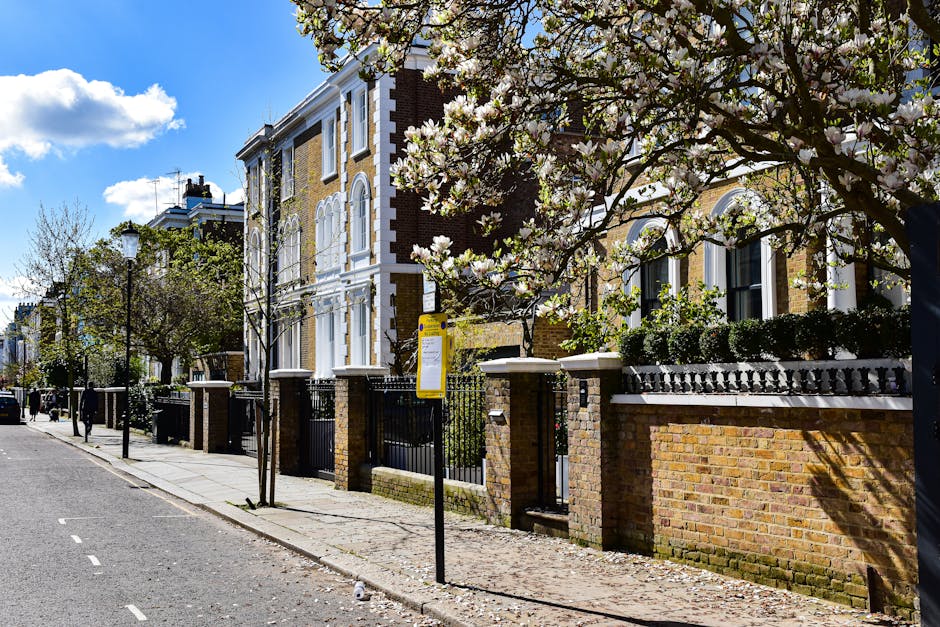
Regent's Park Flats: Best Van Access Routes for Marylebone
If you're planning a move into or out of Regent's Park flats, the route your van takes can make the day feel calm and organised, or chaotic before the kettle's even boiled. Marylebone is one of those London areas where distance matters less than timing, access, building rules, and a few very real-world details like loading bays, one-way streets, and whether your driver can stop without causing a small traffic drama.
This guide breaks down the best van access routes for Regent's Park flats in Marylebone, with a practical focus on what usually works, what tends to go wrong, and how to make the whole process simpler. Whether you're moving a studio near the park, a family flat off the main roads, or a top-floor apartment with awkward stair access, a smart route plan can save time, stress, and a lot of unnecessary back-and-forth.
For readers comparing move options, it also helps to understand the wider support available through local removal services in Marylebone, especially if your move involves heavier furniture, tight access, or short-notice scheduling.
Table of Contents
- Why Regent's Park Flats: Best Van Access Routes for Marylebone Matters
- How Regent's Park Flats: Best Van Access Routes for Marylebone Works
- Key Benefits and Practical Advantages
- Who This Is For and When It Makes Sense
- Step-by-Step Guidance
- Expert Tips for Better Results
- Common Mistakes to Avoid
- Tools, Resources and Recommendations
- Law, Compliance, Standards, or Best Practice
- Options, Methods, or Comparison Table
- Case Study or Real-World Example
- Practical Checklist
- Conclusion
- Frequently Asked Questions
Why Regent's Park Flats: Best Van Access Routes for Marylebone Matters
Getting a van to a Regent's Park flat is not just a matter of plugging in a postcode and hoping for the best. Marylebone sits inside a dense London street network with controlled traffic flows, busy kerbsides, and buildings that often have very specific moving instructions. That means the "best" route is usually the one that reduces the number of difficult turns, avoids unnecessary congestion, and gets your vehicle as close to the entrance as possible without risking a penalty or an irritated porter.
For flats around Regent's Park, access matters because moving day usually involves more than a van and a driver. You may need to coordinate lift bookings, hallway protection, narrow stairs, concierge approval, and limited parking windows. If the route is poor, even a well-organised move can start to slip. A van circling the block twice because it missed a loading point is, frankly, nobody's idea of a good morning.
There's also the practical reality of London building stock. Some flats have a neat street-facing entrance. Others are tucked behind gated courtyards, accessed via a side road, or positioned where the safest stopping point is not the address itself but a nearby road that allows a controlled unload. That is why route planning is part of moving strategy, not an optional extra.
To get a sense of how moving logistics fit into local life, it can help to read more about what living in Marylebone is really like and why access in this part of London often feels tighter than it looks on a map.
Key takeaway: In Regent's Park and Marylebone, the best van route is rarely the shortest one. It is the route that gives you the safest, clearest, and most realistic access to the building entrance.
How Regent's Park Flats: Best Van Access Routes for Marylebone Works
The process starts with understanding the actual loading pattern around your building. A route plan should consider where the van can legally stop, which roads are easiest to approach in the vehicle size you are using, and whether there is enough space to unload without blocking traffic or pedestrian access.
In practice, a good moving route for Regent's Park flats usually combines three things:
- Access to the nearest workable stopping point rather than the exact front door at all costs.
- Awareness of local street layout, including one-way systems, busier junctions, and roads that are simply awkward for larger vehicles.
- Coordination with the property, such as lift access, concierge instructions, and any required time slot for loading or unloading.
For many movers, that means planning the route in advance using a map, a sat-nav, and a little human judgement. Sat-nav is useful, sure, but it does not know that the best side street for unloading may be the one with a proper kerbside gap and less foot traffic at 9:30 a.m. It also will not remind you that a low bridge, road closure, or temporary traffic scheme can turn a "simple" journey into a slow crawl. London loves a surprise. Really, it does.
There is also a big difference between a small van, a medium removal vehicle, and a larger lorry-style removal truck. Around Regent's Park, smaller and more manoeuvrable vehicles often make the whole process easier, particularly where roads are tight or turning space is limited. If you're weighing up vehicle size and move type, the man and van service in Marylebone can be a sensible fit for lighter, faster moves, while a more structured solution may suit full household relocations.
Because every building is different, the route itself is only half the story. The other half is the handover point: where the van stops, how long it can remain there, and whether your team can move items without rushing. A route that looks fine on paper can still fail if the unloading point is three doors away and there's nowhere to place a trolley.
Key Benefits and Practical Advantages
A good van access route does much more than save minutes. It can change the entire feel of moving day.
- Less stress at the start of the move because the driver knows exactly where to go and where to pause.
- Reduced risk of damage from dragging furniture too far or manoeuvring through cramped entrances under pressure.
- Better timing when you have a short lift booking, a concierge window, or a parking restriction to work within.
- Fewer missed turns and reversals, which matter more than people think in one-way or busy local streets.
- Smoother communication with building staff, neighbours, and anyone helping with the move.
There's also a quieter benefit: confidence. When you know the route is practical, you stop worrying about the drive and start focusing on the move itself. That's a big deal, especially if you are handling work calls, children, pets, or a slightly over-ambitious packing schedule on the same day.
For flat moves specifically, route planning often pairs well with flat removals in Marylebone, because flats tend to need extra coordination compared with a ground-floor house move. If you are moving valuable items, bulky furniture, or awkward pieces like mirrors and wardrobes, the route decision becomes even more important. A shorter walk from van to door can make the difference between a controlled move and a sweaty one, and nobody needs more of the latter.
Who This Is For and When It Makes Sense
This topic matters most if you live in or are moving to a Regent's Park flat, but it also helps landlords, tenants, relocation agents, family members helping out, and anyone managing a move for someone else. In short, if a vehicle has to get close to a property in Marylebone, a route strategy makes sense.
It is especially useful in these situations:
- You have a flat in a building with limited stopping space.
- Your move is time-sensitive and you need to avoid delays.
- You are using a larger van and want to reduce manoeuvring risk.
- You are moving furniture, boxes, or fragile items that should not travel far from vehicle to entrance.
- You need to comply with building instructions, concierge rules, or loading restrictions.
If you are moving at short notice, route planning becomes even more valuable. A same-day move in central London can be done well, but only if the team understands the access constraints before they arrive. In those cases, services such as same-day removals in Marylebone are most effective when paired with clear building details and an honest description of the access point.
For students, sharers, and younger renters who may be working with fewer hands and a tighter budget, a compact vehicle route can be more realistic than booking a huge truck. For larger homes, or where the move includes multiple bulky items, it may be worth looking at house removals in Marylebone even if the property itself is a flat, because the service structure can better support complex access and heavier loads.
Step-by-Step Guidance
Here is a practical way to plan the best van access route for a Regent's Park flat without overcomplicating it.
- Confirm the exact address and entrance. Do not assume the front-facing street is the best access point. Ask the building, concierge, or landlord which entrance is actually used for moves.
- Check for restrictions. Look for loading limits, resident-only bays, controlled parking zones, and any local access rules that might affect stopping time.
- Measure the vehicle type. A small van, long-wheelbase van, and larger removal truck all behave differently on narrow roads and tight corners.
- Choose the best approach road. Aim for a route with fewer awkward turns and fewer points where the driver would need to reverse or make a difficult U-turn.
- Plan the unload point. Decide where the van will stop and how items will move from the vehicle into the property. This is often the part people forget. It matters.
- Build in a buffer. Allow time for traffic, building check-in, and any quick adjustment if the first stop point is occupied.
- Share the plan with everyone involved. Driver, movers, and the person meeting the vehicle should all know the same plan.
One helpful habit is to do a quick recce the day before, even if it is just a short walk or drive past the building. You notice things in person that a map cannot show: a tight kerb, a busy school run, a low-hanging tree branch, a delivery van parked exactly where you hoped to stop. Small details, big difference.
If your move includes furniture that is difficult to carry or assemble, it can also help to review furniture removals in Marylebone and plan for disassembly, wrapping, and carry distance at the same time as the route. That way you are not solving one problem and creating another.
Expert Tips for Better Results
Good access planning is mostly about anticipation. A few habits can make life noticeably easier.
1. Prioritise the unloading point, not just the postcode
The best route is the one that gets the van to a practical stopping position. That may be one street over. It may be the side road. It may even be a short walk from the entrance, if the road layout makes that safer and quicker overall.
2. Use smaller vehicles where the access is truly tight
There's a reason many central London moves work better with a compact van or a flexible man with a van in Marylebone approach. For some flats, manoeuvrability is more useful than sheer capacity. To be fair, a massive van that cannot park is just a big obstacle with mirrors.
3. Match the route to the time of day
Morning traffic, school runs, market activity, and commuter flow can all change the "best" route. A road that feels smooth at 10 a.m. may be a headache at 5 p.m. If possible, choose a slot where access is calmer and the unloading zone is less contested.
4. Keep a backup stopping point
Have a Plan B if the nearest bay is occupied. A good mover will think this way naturally, but it helps to know the backup yourself. It avoids the awkward moment where everyone is standing around looking at a full loading bay and hoping for magic.
5. Speak to the building early
Concierges and building managers often know exactly which entrances work best and which ones become blocked by regular deliveries. They are usually worth listening to. If the property has elevator restrictions or booked move slots, get those details in writing if possible.
For customers comparing providers, it also helps to review a company's practical standards and paperwork before you book. The health and safety policy and insurance and safety information pages are useful places to check how a team approaches risk, lifting, and responsibility on the day.
Common Mistakes to Avoid
Most access problems come from a small number of avoidable mistakes. The good news is that once you know them, they are easy enough to prevent.
- Assuming the main entrance is the best entrance. It often is not.
- Forgetting about parking restrictions. A legal stopping point matters as much as physical access.
- Using a vehicle that is too large for the street pattern. Bigger is not always better in central London.
- Not telling the movers about awkward access in advance. If there is a lift booking, a narrow hallway, or stairs, say so early.
- Leaving route planning until the morning of the move. That tends to add avoidable pressure.
- Ignoring weather or time pressure. Rain makes pavements slower, and a delayed arrival can create a domino effect.
A very common issue is underestimating the carry distance from van to flat. A route that is technically fine can still be inefficient if your team has to cross a courtyard, wait for a lift, and then walk another corridor. That is when a move starts feeling longer than it should.
If you need temporary space because access timings are awkward, or your handover and move-in dates do not align neatly, a local option such as storage in Marylebone can help take the pressure off. That is not always necessary, but sometimes it is the cleanest fix.
Tools, Resources and Recommendations
You do not need a complicated toolkit to get this right, but a few simple resources help a lot.
- Map apps and route planning tools for checking one-way systems and traffic conditions.
- Street-view style previews to get a sense of kerbside width and turning space.
- Building contact details for concierge or management instructions.
- Parking and loading notes written down, not just kept in your head.
- Packing materials and labels so items can be loaded in the right order once the van is parked.
It also helps to work from a company that can support the route with the right service level. If you want a broader overview of what a local team can handle, the services overview page is a sensible place to start. And if you are still comparing providers, the company's about us page can give you a feel for their approach, while pricing and quotes helps you understand how estimates are handled before you commit.
For moves involving fragile household contents, it is also worth checking packing and boxes in Marylebone, because a good route does little good if the items are not protected properly. The route, the packing, the loading order, they all connect.
Law, Compliance, Standards, or Best Practice
While this guide is not legal advice, there are a few practical UK considerations worth keeping in mind. Movers and drivers should follow road traffic rules, parking restrictions, building access rules, and any local loading arrangements that apply at the time of the move. In central London, a route that ignores these basics can quickly become costly or delayed.
Best practice usually means:
- keeping vehicle movements safe and predictable;
- avoiding obstruction where possible;
- respecting private property and building procedures;
- checking whether a permit, bay reservation, or loading approval is needed;
- making sure the load is secured correctly for transit.
Professional movers also need to think about manual handling, safe lifting, and protecting common areas such as lifts, hallways, and door frames. That is where practical standards matter more than fancy promises. A team that plans the route carefully usually plans the rest of the job carefully too, or at least that is the pattern you'd hope for.
If you are comparing companies, it is sensible to review support pages such as terms and conditions, payment and security, and the complaints procedure. These pages are not exciting reading, granted, but they do tell you a lot about how a business works when things are less than straightforward.
Options, Methods, or Comparison Table
Different van access methods suit different Marylebone moves. Here is a simple comparison to help you choose the right approach.
| Method | Best For | Strengths | Possible Downsides |
|---|---|---|---|
| Small van route | Light flat moves, central streets, short carry distances | Easier to manoeuvre, simpler parking, often less stressful | Limited volume, may need extra trips |
| Medium van route | Typical one- or two-bedroom flat moves | Good balance of space and access | Can still struggle on tighter roads or crowded loading areas |
| Large removal vehicle | Big household moves, heavy furniture, fewer trips | Efficient for volume, fewer journeys overall | Harder to position, more sensitive to tight turning and parking |
| Man and van approach | Smaller moves, flexible timing, awkward access points | Flexible, often well suited to local streets | Not ideal for very large or complex moves |
The best choice depends on your building, the amount of furniture, and how much street access you can realistically secure. If you are moving a few rooms' worth of items from a flat near Regent's Park, a smaller, more flexible setup can be the smarter move. If you are relocating a larger home, or moving many bulky items, it may be better to choose a fuller service such as removals in Marylebone.
Case Study or Real-World Example
Picture a weekday morning in Marylebone. A resident moving out of a third-floor Regent's Park flat has a lift booking, two sofas, a dining table, and several boxes of books that always seem to weigh more than they should. The building entrance faces a road with steady traffic, but a side street nearby has a better loading opportunity and fewer pedestrians around early on.
Instead of sending the van straight to the front door location on the sat-nav, the mover checks the building instructions, confirms the nearest workable unload point, and approaches from the road that allows the easiest turn-in. The driver parks within the permitted area, the team unloads quickly, and the larger items go straight into the lift booking slot without losing time hunting for a place to stop.
Now compare that with a less careful approach: the van arrives on the wrong side, discovers a blocked bay, circles the block, and ends up unloading farther away than planned. The boxes still get moved, of course. But the day feels stretched, and everyone is slightly more tired than they needed to be. That's the part people forget - moving is often manageable, but bad access makes it feel harder than it is.
In our experience, the best outcomes come from a simple combination: clear building instructions, the right vehicle size, and one person who knows the area well enough to make a quick judgement call if the first option is blocked. Nothing magical. Just sensible, local thinking.
Practical Checklist
Use this checklist before moving day. It is simple, but it catches a lot of problems early.
- Confirm the full address and the correct entrance.
- Ask about lifts, concierge rules, and move-in or move-out times.
- Check parking and loading restrictions near the building.
- Decide whether a small, medium, or larger van makes the most sense.
- Plan at least one backup stopping point.
- Share access details with the driver and movers in advance.
- Protect furniture and fragile items before the vehicle arrives.
- Label boxes clearly so loading and unloading stay organised.
- Prepare keys, permits, codes, and contact numbers in one place.
- Allow extra time for traffic, weather, or building delays.
Quick practical summary: if the route is easy, the move feels lighter. If the route is poor, everything else takes longer. That is why access planning for Regent's Park flats is worth the effort, even if it feels a bit tedious at first.
Conclusion
Choosing the best van access route for a Regent's Park flat in Marylebone is about more than getting from A to B. It is about matching vehicle size, street layout, building rules, and timing so the move works in the real world, not just on a route planner. The right approach can reduce delays, protect your belongings, and keep the day pleasantly ordinary - which, for a London move, is honestly a win.
If you are preparing for a flat move, it makes sense to speak to a local team that understands Marylebone's streets, access quirks, and building expectations. A little planning now can save a lot of running about later, and that makes the whole thing feel far more manageable.
Get a free quote today and see how much you can save.
And if you want help with the next step, it's worth reaching out through the contact page when you're ready. Sometimes a short conversation clears up more than an hour of guessing.
Frequently Asked Questions
What is the best van access route for Regent's Park flats in Marylebone?
The best route is usually the one that gets you to the nearest legal and practical unloading point with the least turning, congestion, and parking risk. In Marylebone, that often means choosing a side road or a calmer approach road rather than trying to stop directly outside the main entrance.
Should I use a small van or a larger removal vehicle?
It depends on the size of the move and the street access. Small vans are often easier around Regent's Park because they are more manoeuvrable, while larger vehicles suit bigger household moves if there is enough space to stop safely.
Do Regent's Park flats usually need special access planning?
Yes, most do. Flats in this part of London often involve loading restrictions, narrow streets, lift bookings, concierge rules, or tight stopping points. A little planning usually avoids a lot of hassle.
How far in advance should I plan my van route?
Ideally at least a few days before the move, and sooner if the property has strict access rules. If the move is urgent, even a short planning call can help identify a workable route and stopping point.
What if the loading bay is occupied on the day?
That is where a backup plan matters. A good mover should already know an alternative stopping point nearby, even if it means a slightly longer carry. It is better than waiting around with the engine on and everyone getting twitchy.
Can I use a man and van service for a flat move near Regent's Park?
Yes, especially for smaller or medium-sized flat moves. A flexible local setup can work very well where access is tight and the amount of furniture is manageable. See the man and van option in Marylebone for a practical example of this approach.
What should I ask my building manager before moving day?
Ask which entrance should be used, whether the lift can be booked, where the van may stop, and whether there are any time restrictions. If there are concierge procedures, get them clearly noted.
Is parking in Marylebone difficult for removal vans?
It can be, yes. Central London parking and loading areas are often limited, which is why route choice and timing are so important. A legal stopping point is often more valuable than a perfect postcode approach.
What if I need storage because access and move dates don't line up?
That is a common situation, especially with lease changes or delayed completions. Short-term storage can keep the move flexible and reduce pressure on the moving day itself.
How can I make a flat move less stressful overall?
Start early, label boxes, confirm access details, choose the right vehicle size, and keep communication simple. If you need help with the broader process, house removals and packing support can make a real difference.
Are there any compliance issues I should worry about?
Nothing unusual for most home moves, but you should always respect parking rules, private building instructions, and safe loading practices. If in doubt, ask your mover to explain how they handle access, safety, and any relevant restrictions.
What is the smartest first step if I'm moving soon?
Confirm the building access details and choose the most practical van type before anything else. Once those two are sorted, the rest of the move becomes much easier to organise.