Baker Street Removals: Navigating Tight Terraces in Marylebone
Posted on 27/04/2026
Moving house or office near Baker Street can look straightforward on a map and then feel completely different on the ground. The streets are busy, the terraces are tight, access can be awkward, and parking is rarely generous. If you are planning a move in Marylebone, the challenge is not just transporting boxes; it is getting everything out and in safely, without turning a sensible day into a stressful one. That is exactly where Baker Street Removals: Navigating Tight Terraces in Marylebone becomes a practical topic, not just a search phrase.
This guide explains how tight terrace removals work in the Baker Street area, what makes them tricky, how to plan properly, and when it makes sense to use a specialist local team. You will also find a comparison table, a realistic step-by-step process, a checklist, and the most common mistakes to avoid. If you want a broader view of service options, it can also help to review the area-focused removal services in Marylebone and the company's services overview before you decide how to approach the move.
In narrow terraces, good removals work is less about brute strength and more about timing, route planning, communication, and the right vehicle. Get those parts right and the move feels controlled. Get them wrong and even a small flat move can become complicated very quickly.

Why Baker Street Removals: Navigating Tight Terraces in Marylebone Matters
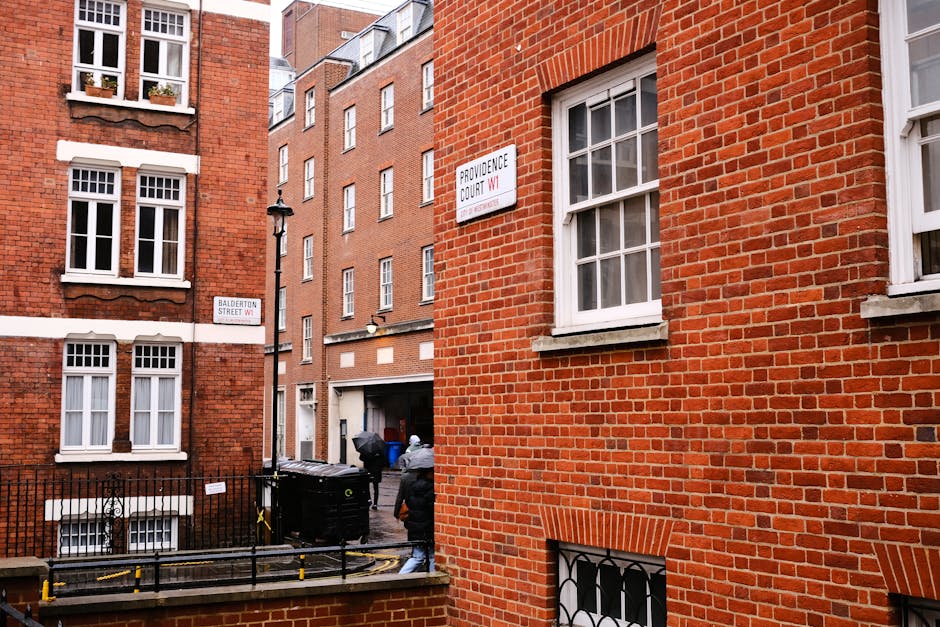
Baker Street and the surrounding Marylebone streets are known for elegant period homes, converted flats, and compact access points that look charming until moving day arrives. Tight terraces often mean narrow hallways, awkward stair turns, limited front loading space, and neighbours who are close enough to notice every delivery van. That matters because removals are not just about moving items from A to B; they are about moving them through a very specific urban environment without damage, delays, or friction with the street outside.
Terraced properties can create a chain reaction of small problems. A sofa that fits through the front door may still get stuck on the stairwell. A van that is too large may block access. A later-than-planned arrival can clash with parking restrictions or building rules. In Marylebone, those small problems are often what determine whether the day runs smoothly.
This is also why local knowledge matters. A team that understands the layout patterns around Baker Street is more likely to anticipate issues such as tight kerb space, resident permits, shared entrances, and the need to work carefully in busy residential streets. If you are comparing options, it is worth looking at a provider's about us page to judge whether they appear genuinely local and experienced, rather than just broadly advertised.
Truth be told, the best removals are often the ones that look almost boring from the outside. That is the point. Calm planning, sensible equipment, and a measured pace save far more time than rushing ever does.
How Baker Street Removals: Navigating Tight Terraces in Marylebone Works
In a tight terrace move, the process usually starts long before the vehicle arrives. A proper assessment considers the property layout, the volume of belongings, access on both ends, and any local restrictions that could affect timing. The goal is to reduce surprise on the day.
Most successful moves in this kind of area follow a pattern:
- Access review: The team checks loading points, stair width, internal turns, and whether larger furniture can be lifted safely without damage.
- Vehicle matching: The right-sized van is selected. Bigger is not always better in central London; a more manoeuvrable vehicle can be the smarter choice.
- Protection planning: Blankets, straps, floor protection, and corner guards are prepared to reduce wear on the property and furniture.
- Load sequencing: The order in which items come out matters, especially if a hallway is narrow or a staircase is shared.
- Street coordination: Parking, waiting time, and neighbour access are considered so the move does not create avoidable disruption.
For many residents, the most efficient route is to use a compact service such as man with a van in Marylebone or the related man with van option when the volume is moderate and access is limited. For larger moves, a fuller house removals Marylebone service may be more suitable.
One important detail: in older terraces, furniture often has to be moved in a different order than it was packed. A wardrobe may need to come out before the mattress, not after it. A sofa may need to be rotated vertically. Those adjustments are normal, but they only work well when the crew has the right experience and the property is measured properly in advance.
Key Benefits and Practical Advantages
When a removal is planned well for Baker Street terraces, the benefits are immediate. You save time, reduce damage risk, and avoid the kind of last-minute scramble that makes moving day feel chaotic. There is also a quieter benefit: you keep more control over the day.
- Less damage to walls and banisters: Careful handling protects narrow staircases and painted surfaces.
- Better use of limited parking: A suitably sized vehicle can reduce kerbside problems.
- Faster loading and unloading: Good sequencing matters more than speed alone.
- Lower stress for residents and neighbours: Shorter disruption helps everyone.
- More efficient use of labour: Fewer unnecessary carries mean less wasted effort.
There is also a commercial advantage. If you are moving from one Baker Street terrace to another part of Marylebone, a well-run move can prevent knock-on costs such as extra storage, additional labour time, or repeat trips. If you are still choosing between service levels, the pricing and quotes page is a useful place to understand how different removal types are typically priced and what information you may need to supply.
Another practical plus is flexibility. Compact local services can often be easier to book for short-notice or partial moves, especially where you only need help with furniture, boxes, or a few larger items. That is where a focused service such as furniture removals in Marylebone can be particularly useful.
Expert summary: In tight terrace moves, the real win is not moving faster. It is moving with fewer surprises, fewer touches, and fewer chances for damage.
Who This Is For and When It Makes Sense
This kind of removal solution is a strong fit for several real-world situations. The most obvious is a standard residential move in a terraced or townhouse-style property where staircases are narrow and access is restricted. But it is not limited to homeowners.
You may benefit from this approach if you are:
- moving from a compact flat above street level
- relocating into a period terrace with awkward access
- transferring furniture between Marylebone addresses
- upgrading from a smaller property to a larger one in the same area
- moving on a deadline and need a more nimble service
- handling a student move with limited belongings but tight timing
Students and renters often underestimate how much access shapes the move. A boxy hallway, a second-floor landing, or a front door that opens onto a narrow pavement can matter more than the number of items. For that reason, services such as flat removals Marylebone and student removals Marylebone are often a better fit than a generic large-scale move.
It also makes sense when you need a measured, local solution rather than a one-size-fits-all package. Not every move needs a large team. Sometimes the smart choice is a compact vehicle, a careful crew, and a route that has been thought through properly.
Step-by-Step Guidance
If you want the move to feel controlled, use a structured process. The following sequence works well for most terrace removals in the Baker Street area.
- Walk through the property early. Identify tight points, low ceilings, awkward stairs, and fragile surfaces.
- Measure the largest items. Sofas, beds, wardrobes, desks, and pianos are the usual problem items. Do not guess.
- Decide what travels and what does not. The lighter the load, the easier the access issues become. This is a good time to separate keep, donate, recycle, and store.
- Choose the right service level. A compact van service may suit a small move, while a full home move or office relocation may need a larger team.
- Pack for handling, not just for storage. Boxes should be clearly labelled and not overfilled. Heavy items belong in smaller boxes.
- Arrange timing around the street. Consider parking, neighbours, and any building access windows.
- Protect the route. Cover floors if needed and remove tripping hazards before the team arrives.
- Load in the right order. Frequently needed items should be easy to reach at the destination.
- Check off items at both ends. A simple inventory prevents unnecessary panic later.
For larger or more complex homes, it can help to combine a move with storage or staged packing. Services such as storage in Marylebone and packing and boxes Marylebone are often worth considering if you are reducing clutter before moving day or spacing the move over two stages.
If you are handling a business relocation from a terrace or converted building, the logic is similar, but the downtime pressure is higher. In that case, review office removals Marylebone and plan around business hours with particular care.
Expert Tips for Better Results
Small decisions make a surprisingly large difference in terrace removals. Here are the details that experienced teams tend to prioritise.
- Use smaller boxes for books and dense items. A box that is technically sealed but impossible to lift is not a win.
- Disassemble what will clearly save time. Bed frames, table legs, and some shelving units are easier to move in parts.
- Keep one clear walking lane. Narrow terraces quickly become blocked if everyone sets items down wherever there is space.
- Label by room and priority. "Kitchen - first night" is more useful than just "Kitchen".
- Be realistic about parking. If your road is busy, build in time for manoeuvring.
- Tell the team about fragile features early. Old plaster, glass panels, and difficult banisters need advance warning.
- Separate essentials from everything else. A small overnight bag saves a lot of rummaging.
A slightly underrated tip: keep doors open only when they need to be open. In some terraces, this sounds obvious, but it prevents repeated awkward shuffling through the same bottleneck. Less opening, less closing, less bumping.
If your move includes delicate instruments, artwork, or high-value items, ask about specialist handling rather than assuming a standard move will cover it. For example, piano removals Marylebone is a better route than treating a piano like an ordinary item of furniture. Some objects deserve extra planning, and honestly, that is money well spent.
Common Mistakes to Avoid
Most move problems in tight terraces are preventable. The trouble is that they often come from optimism rather than carelessness. People assume a sofa will fit, parking will be easy, or the move will only take a little while. In Marylebone, assumptions can be expensive.
- Not measuring large items. If the biggest furniture cannot pass the turn in the stairwell, everything else slows down.
- Booking the wrong vehicle size. Too large can be awkward; too small can mean multiple trips.
- Ignoring access at the destination. The new property may be just as tricky as the old one.
- Leaving packing until the last minute. Rushed packing causes breakages and delays.
- Overstuffing boxes. This makes lifting harder and increases injury risk.
- Forgetting to check service details. Insurance, timing, and handling expectations matter.
- Assuming all removals are the same. A terrace move is very different from a straightforward driveway move in the suburbs.
Another common error is choosing the cheapest quote without asking what is actually included. If you need more certainty, compare the service details carefully and consider whether the provider's removal companies Marylebone page, removals Marylebone page, and trust information help you feel confident about the level of support on offer.
Tools, Resources and Recommendations
Good tools do not replace experience, but they make difficult access much easier to manage. For Baker Street terraces, the most useful kit tends to be practical rather than flashy.
- Furniture blankets and wraps: help protect wood, paint, and upholstered items.
- Straps and trolleys: reduce manual strain and improve control on stairs and pavements.
- Floor coverings: useful where heavy foot traffic or muddy weather could mark internal floors.
- Labels and markers: speed up unloading and reduce mix-ups.
- Strong tape and proper boxes: make packing more stable.
- Inventory list: helps you confirm everything has arrived.
For planning support, a good starting point is usually the company's own information on man with a van Marylebone, removal van Marylebone, and services overview. These pages can help you understand whether a compact move, a full move, or an added service such as packing or storage is the best fit.
There are also a few non-technical resources worth using. A street-by-street awareness of Marylebone, for example, can make it easier to anticipate loading issues or local patterns. If you are new to the area, a local guide such as life in Marylebone local perspectives can help you get a feel for how the area functions day to day.
Law, Compliance, Standards, or Best Practice
For removals in London, the main practical concerns are safety, parking, access, and fair handling of property. Exact rules can vary depending on the street, building, and local authority arrangements, so it is wise to confirm details in advance rather than assume. This is especially true around permits, loading bays, restricted access times, and shared entrances.
At a basic level, reputable removal work should follow sensible best practice:
- Safe lifting and handling: crews should move items in ways that reduce injury risk.
- Care for property: doors, floors, walls, and communal areas should be protected where needed.
- Clear communication: the customer should know timing, expectations, and any limits on service.
- Appropriate insurance and terms: you should understand what is covered and what is not.
- Respect for neighbours and shared spaces: especially important in terraces and converted buildings.
If you want reassurance on policy-related matters, the provider's insurance and safety, health and safety policy, and terms and conditions pages are worth reading before you book. Those pages are not exciting, to be fair, but they are the kind of unglamorous detail that matters if something unexpected happens.
If you need privacy or operational reassurance, related support pages such as privacy policy, payment and security, and accessibility statement can also help you assess the provider's professionalism and customer care.
Options, Methods, or Comparison Table
Not every Baker Street move needs the same approach. The best method depends on volume, access, timing, and how much help you want on the day.
| Method | Best for | Strengths | Trade-offs |
|---|---|---|---|
| Man and van | Small to medium loads, short local moves | Flexible, usually easier to manoeuvre in tight streets | Less suitable for very large households |
| Full house removals | Whole-property moves, larger furniture, more boxes | More support, better for heavy or complex moves | Needs more planning and may cost more |
| Flat removals | Upper-floor apartments and compact city homes | Designed around access issues and limited space | May still need extra help for oversized items |
| Office removals | Workspaces and business relocations | Reduces downtime and supports organised transfers | Often requires tighter scheduling |
| Storage plus staged move | Moves with timing gaps or downsizing | Useful when access or completion dates do not line up | Can add an extra step to the process |
If your move is modest and access is the main challenge, a man and van Marylebone approach may be enough. If you are moving a whole home or handling larger items, the broader house removals Marylebone service is often the more practical choice.
Case Study or Real-World Example
Imagine a two-bedroom terrace near Baker Street with a narrow hallway, one steep staircase, and limited space outside for loading. The move includes a sofa, a dining table, bed frames, several boxes of books, and a few fragile household items. On paper, it does not look extreme. In practice, it needs care.
The first sensible step is to identify the bottlenecks: the stair turn is tight, the sofa is the largest item, and parking outside may only be available for a short window. A careful removal plan would place the sofa and bed frames first in the schedule, pack books into smaller boxes, and use furniture protection on the most exposed corners.
Now add one more layer: the new property is only a short distance away, but the entrance has similar restrictions. In that scenario, a compact vehicle and a crew used to navigating Marylebone streets can be more effective than sending a larger van that struggles to park. The move becomes a sequence of manageable tasks rather than a single stressful event.
That is the real lesson. In terrace removals, efficiency comes from reducing friction, not from forcing speed. The smoother the route, the less every other part of the move has to compensate.
Practical Checklist
Use this checklist in the days before the move. It is simple, but simple is exactly what you want when the day gets busy.
- Measure large furniture and note any narrow turns.
- Confirm access at both addresses.
- Check parking and loading arrangements.
- Sort items into keep, store, donate, and recycle.
- Pack heavy items into smaller boxes.
- Label boxes by room and priority.
- Set aside essentials for the first night.
- Protect fragile items with proper wrapping.
- Notify the removal team about stairs, lifts, or shared entrances.
- Review insurance, terms, and any relevant service details.
- Keep keys, documents, and valuables with you.
- Leave a clear route through the property on moving day.
If you are still deciding between service types, it may help to review the company's same day removals Marylebone page in case your timeline is tighter than expected. Sometimes plans change, and having a backup option is useful.
Conclusion
Baker Street terrace removals are manageable when you treat them as a planning exercise rather than a lifting contest. Narrow halls, awkward stairs, and busy streets do not have to create chaos. With the right vehicle, careful packing, clear timing, and a team that understands Marylebone's layout, even a difficult move becomes perfectly workable.
The key is to match the service to the property, not the other way around. Measure early, pack sensibly, choose a local provider that understands tight access, and keep the day structured. That combination removes most of the uncertainty before it has a chance to show up.
If you are ready to move forward, the next sensible step is to compare service details, check safety and insurance information, and ask for a quote based on your actual access conditions rather than a rough guess. The more specific you are at the start, the smoother the move tends to be.
Get a free quote today and see how much you can save.