Avoiding Bulky Waste Fines After a Marylebone Move
Posted on 02/06/2026
Moving home in Marylebone is rarely a calm, box-ticking exercise. Between narrow streets, tight stairwells, parking headaches, and the sudden pile of things you do not want to take with you, it can get messy fast. And that is exactly when bulky waste fines become a real risk. One skipped step - a sofa left on the pavement, a mattress dumped "just for a minute", or packaging abandoned after moving day - can turn a stressful move into an expensive one.
This guide on Avoiding Bulky Waste Fines After a Marylebone Move explains what counts as bulky waste, how to handle it properly, and how to stay on the right side of local expectations without overcomplicating the process. If you want a clean move, less stress, and fewer surprises, you are in the right place. Truth be told, most fines happen because people are rushed, not because they are careless.
We will walk through practical steps, common mistakes, compliance basics, and the best way to plan disposal around a Marylebone relocation. You will also find a checklist, comparison table, and a few real-world scenarios that make the whole thing easier to picture.
Why Avoiding Bulky Waste Fines After a Marylebone Move Matters
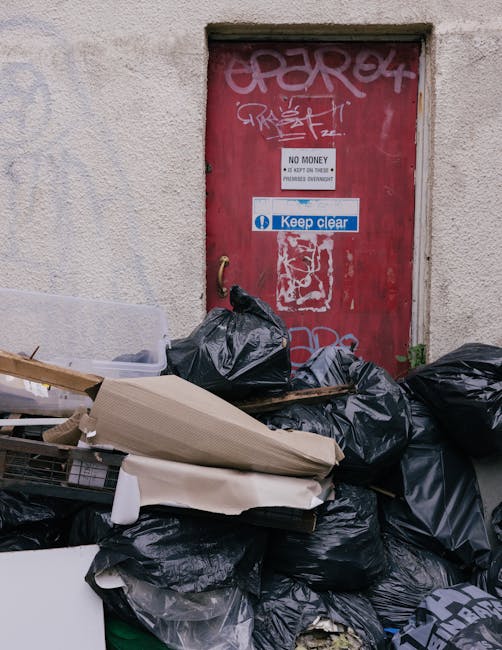
Bulky waste is one of those moving topics people underestimate until they are standing in a hallway full of unwanted furniture, broken hangers, cardboard towers, and a fridge they swore they would deal with later. In Marylebone, where space is tight and streets are busy, leaving large items out without a proper plan can create immediate problems. Even if your intention is harmless, it may still be treated as illegal dumping or fly-tipping if items are left in the wrong place or at the wrong time.
Why does this matter so much? Because the cost of getting it wrong can be far higher than the cost of dealing with waste properly in the first place. Beyond a fine, there is the reputational side too. Nobody enjoys being that neighbour whose old mattress blocks the pavement on a Monday morning. It is not a good look, and in a place like Marylebone, where residents and building managers tend to be alert, it gets noticed quickly.
The good news is that avoiding bulky waste penalties is very manageable once you understand the process. A move is already a lot to juggle. If you can sort disposal early, it removes a surprising amount of pressure. Less clutter, fewer last-minute decisions, and no awkward messages from a building manager. Nice, really.
There is also a sustainability angle. Reuse, donation, and proper recycling reduce waste and make your move feel more organised. If you are planning a broader clean-out, the page on recycling and sustainability is useful for understanding how a more responsible move fits into the picture.
How Avoiding Bulky Waste Fines After a Marylebone Move Works
The basic idea is simple: large items must be removed in a lawful, tidy, and traceable way. The moment you leave bulky waste in the wrong place - even temporarily - you introduce risk. That includes corridors, common areas, public pavements, communal bin enclosures, shared gardens, and roadside spots where items can be mistaken for abandoned rubbish.
In practice, avoiding fines means planning the disposal route before moving day. That can involve pre-booking a bulky waste collection, arranging reuse or resale for usable items, separating recyclable materials, or using a removal team that can take waste away as part of the job. For many people moving out of flats, especially in older buildings with limited lift access, this is the easiest route because the waste is handled as part of the move rather than left as a separate chore.
It also helps to think in terms of ownership and responsibility. Once items are removed from your flat, they still belong to you until they are legally transferred or collected by the right party. That means you should know exactly who is taking the waste, when, and where it is going. A vague "someone will sort it" is how people end up in trouble. To be fair, we have all said that at some point.
If you are comparing moving support options, it may help to look at the wider service range on services overview or explore removal services in Marylebone if you want disposal and moving support to work together.
Key Benefits and Practical Advantages
The biggest benefit is obvious: you lower the chance of paying avoidable fines. But there are several other advantages that matter just as much during a move.
- Less stress on moving day: No last-minute scramble to deal with a sofa or wardrobe.
- Cleaner shared spaces: Important in flats and mansion blocks where access routes are shared.
- Better timing: Proper disposal plans prevent delays when the van arrives.
- Safer handling: Heavy items are removed by people used to handling awkward loads.
- More space for packing: Once unwanted items are gone, the whole move feels lighter.
There is another advantage people often miss: a disposal plan helps you make better decisions. Once you start sorting what is staying, selling, donating, or going to recycling, you often discover that you are moving far less than you expected. That can reduce the size of the vehicle you need, improve loading efficiency, and sometimes shorten the job overall.
If you are already comparing move support, it is worth looking at house removals in Marylebone or flat removals in Marylebone depending on your property type. The disposal issue is often different in each setting.
Who This Is For and When It Makes Sense
This matters for almost anyone moving in or out of Marylebone, but a few groups face more risk than others.
- Flat movers: If you live in a top-floor flat or a building with narrow stairs, bulky items often pile up quickly.
- Home buyers and sellers: Completion timelines can be tight, and disposal gets pushed to the end.
- Students: End-of-term moves generate a lot of unwanted furniture and packaging, fast.
- Office movers: Desks, monitors, chairs, and storage units need proper handling.
- Last-minute movers: Emergency moves leave very little time for planning, which is exactly when mistakes happen.
Marylebone's mix of period properties, converted flats, and busy side streets means even a small move can produce awkward waste. A single broken wardrobe, a mattress, and a pile of bubble wrap can cause just as much trouble as a full house clear-out if they are left in the wrong place. That is why planning matters even when the move itself feels fairly small.
If your move is being arranged at short notice, the article on urgent moves in Marylebone is a good companion read. For van-based support, man and van Marylebone and man with a van Marylebone can be useful to review if you need flexibility rather than a full-service job.
Step-by-Step Guidance
Here is the simplest way to keep bulky waste under control during a Marylebone move.
- Sort everything before packing. Put items into four groups: keep, donate, sell, recycle, or dispose. Yes, that is five outcomes. Old habit, the "maybe" pile usually sneaks in too.
- Identify bulky items early. Sofas, beds, wardrobes, white goods, shelves, office furniture, and heavy electricals need a plan.
- Check whether items can be reused. If something is still functional, donation or resale is often better than disposal.
- Confirm the disposal route. Decide whether waste will be collected, removed by movers, taken to a licensed facility, or stored temporarily.
- Book the right moving support. If you need help with dismantling, carrying, or waste transport, arrange that before moving day.
- Keep common areas clear. Never stage bulky waste in hallways, stairwells, or pavement areas unless there is an approved arrangement.
- Document what is being taken away. Keep receipts, booking confirmations, or written details where possible.
- Do a final sweep. Check cupboards, behind doors, in lofts, and in storage spaces. The forgotten lamp or old chair is usually the one that causes a delay.
A smart trick is to build disposal into your packing schedule rather than leaving it for the end. For example, if a bed frame is going, dismantle it before boxes start filling the room. That keeps the move tidy and reduces the chance of leaving parts behind.
If you need boxes and packing materials while organising the clean-out, the page on packing and boxes in Marylebone can help you think through the packing side as well.
Expert Tips for Better Results
From a practical point of view, the best results come from making disposal part of the moving strategy, not an afterthought. Small decisions made early save a lot of aggravation later.
Tip one: treat bulky waste like a deadline item. Put it in your calendar. If the sofa is going, it needs a booked action, not a vague mental note.
Tip two: separate what can be broken down. Flat-pack furniture, shelving, and some bed frames can often be dismantled, which makes removal safer and easier. That matters in tight staircases and narrow entrances. If you have ever watched a large wardrobe pivot halfway down a Georgian staircase, you know the sound of regret.
Tip three: keep packaging under control. Cardboard and plastic wrap are not bulky waste in the same way a mattress is, but they can still overwhelm a hallway. Compress them, bag them, or remove them in stages.
Tip four: protect shared access routes. In blocks with neighbours, concierge access, or service corridors, one badly placed item can create complaints. And once someone has to squeeze past your old dresser, the mood changes quickly.
Tip five: ask about combined removal and disposal options. Sometimes it is more efficient to have a team handle both the move and the unwanted items. That can be especially helpful if you are using house removals or furniture removals and want a cleaner handover.
One more thing: if an item looks like it might be accepted for donation, do not leave the decision until the morning of the move. Donation centres and collection arrangements can be picky about condition, and you do not want to be left with a load of furniture and no plan. That is a very London kind of panic, oddly enough.
Common Mistakes to Avoid
Most bulky waste fines are avoidable. The trouble starts when people assume the move itself is the disposal plan. It is not.
- Leaving items outside "temporarily": If it is on a pavement or in a communal area, it can still count as abandoned waste.
- Mixing waste and personal belongings: Once things are piled together, important items can get thrown out by mistake.
- Assuming the landlord or building staff will handle it: Unless arranged in writing, do not rely on this.
- Ignoring large packaging: Wardrobe boxes, foam, and appliance packaging build up fast.
- Forgetting restricted access times: Some buildings and streets are simply not suitable for random drop-offs or unplanned collections.
- Not checking item condition early: A sofa you thought might be donated can suddenly become waste if it is damaged or heavily soiled.
A classic mistake after a move is believing that because an item is "only one thing", it cannot attract attention. It can. A single mattress on the wrong pavement is more visible than ten boxes inside a flat. Small problem, big headache.
If parking, loading, and access are all part of your issue, the guide on parking permit tips for Wimpole Street and Cavendish Square moves is worth a look. Access problems often start before the waste even leaves the building.
Tools, Resources and Recommendations
You do not need a complicated system, but a few simple tools make the process much smoother.
- Inventory list: A quick sheet noting what is staying, going, or being donated.
- Labels or coloured tape: Helpful for marking bulky items before movers arrive.
- Measuring tape: Useful when checking whether furniture can be moved, dismantled, or stored.
- Strong gloves and bags: Good for handling packaging, broken fittings, and sharp edges.
- Phone notes: Simple, but effective for booking reminders and collection details.
When you are planning support, it may also help to review storage in Marylebone if you are not ready to decide what should be kept. Temporary storage can be a sensible middle step if you are moving quickly but do not want to dump items in a rush.
For general service planning and flexibility, removals Marylebone, removal van Marylebone, and same day removals Marylebone may be relevant depending on how tight your timeline is. If you need to compare options, the pricing page is also useful: pricing and quotes.
Law, Compliance, Standards, or Best Practice
Without getting bogged down in legal jargon, the core rule is straightforward: do not leave waste where it is not meant to be left, and do not assume someone else will clear it up. In the UK, improper disposal can lead to enforcement action, especially where waste is left in public spaces, in communal areas, or appears to have been fly-tipped. The exact response can vary depending on the situation, but the risk is real enough that it is worth taking seriously.
Best practice is to:
- use legitimate disposal or collection arrangements;
- keep evidence of bookings or receipts when possible;
- avoid placing bulky items out without a confirmed collection;
- separate reuse, recycling, and disposal where practical;
- make sure anyone helping you understands what is being removed.
There is also a health and safety angle. Heavy lifting, sharp edges, and broken furniture can cause injuries if rushed. If you are hiring help, it makes sense to check insurance and safety as well as the company's health and safety policy. These pages give a clearer picture of how a professional operator approaches risk.
On a practical level, the safest standard is simple: if you would feel uncomfortable explaining the setup to a building manager, it probably needs to be arranged more carefully. That is not a legal test, of course, just a very decent reality check.
Options, Methods, or Comparison Table
Not every move needs the same disposal method. Here is a plain-English comparison to help you choose.
| Option | Best for | Advantages | Watch-outs |
|---|---|---|---|
| Reuse or donation | Usable furniture and appliances | Lower waste, potentially faster handover | Condition standards can be strict |
| Bulk collection | Large items that cannot be reused | Convenient and direct | Needs planning and correct placement |
| Move and disposal together | Busy relocations with mixed items | Efficient, less double handling | Requires clear instructions upfront |
| Temporary storage | When decisions are not final | Buys time, reduces rushed mistakes | Not a disposal solution on its own |
| DIY disposal | Small loads and confident movers | Can be straightforward for the right person | Heavy lifting, transport, and compliance risks |
For many Marylebone residents, the combined approach works best: keep reusable items aside, store undecided pieces briefly, and clear the rest in a planned way. It is neat, realistic, and much less likely to trigger problems.
Case Study or Real-World Example
Imagine a couple moving out of a second-floor flat near the heart of Marylebone. They have a sofa, an old mattress, two bedside tables, several boxes of packaging, and a dining chair that has seen better days. The move is booked for Friday morning, and they are hoping to finish everything before lunch.
At first, they think they can just leave the sofa in the entrance hall for "a few hours" until someone collects it. That would be risky. Instead, they split the task properly. The mattress and damaged chair are booked for removal, the bedside tables are checked for donation, and the packaging is flattened and bagged before moving day. They also use temporary storage for one item they are not sure about yet.
The result? The flat is handed over cleanly, there is no blocked corridor, and there is no awkward message from the building manager. More importantly, they avoid the sort of last-minute panic that tends to create fines or complaints. Not glamorous, perhaps, but very effective.
This kind of planning is especially helpful in Marylebone buildings with narrow access and shared spaces. A little structure goes a long way. A surprisingly long way.
Practical Checklist
Use this checklist in the days before your move.
- Identify every bulky item in advance.
- Decide whether each item is being kept, donated, sold, recycled, stored, or disposed of.
- Book collection or removal support before moving day.
- Do not leave items in hallways, stairwells, or outside the property without an approved arrangement.
- Flatten cardboard and bag smaller packaging separately.
- Dismantle large furniture where possible.
- Check lift access, stair width, and any building rules.
- Keep proof of bookings or collection details.
- Confirm who is responsible for what if other people are helping you move.
- Do a final room-by-room sweep before handing over keys.
If you want a little extra reassurance about the people handling your move, the about us page is a sensible place to understand the company background, and payment and security helps with peace of mind around booking and payment.
Conclusion
Avoiding bulky waste fines after a Marylebone move is mostly about being organised before the rush begins. Once you identify the items that need to go, choose the right disposal route, and keep waste out of shared or public areas, the whole process becomes much easier. You do not need perfection. You just need a plan that works in the real world, with all the awkward corners, staircases, and timing issues Marylebone is known for.
The best approach is simple: sort early, dispose properly, and do not leave anything ambiguous. That one habit alone prevents a lot of headaches. And if you are balancing moving day, access issues, and unwanted furniture at the same time, a bit of support can make all the difference.
Get a free quote today and see how much you can save.
After all, a move should feel like a fresh start, not a fine waiting to happen.