Urgent Moves in Marylebone: How Providers Handle Emergency Jobs
Posted on 06/05/2026
If you have ever had to move with almost no warning, you will know the feeling: one minute everything is normal, and the next you are trying to box up a life before the day runs away with you. That is where urgent moves in Marylebone come in. Providers handling emergency jobs have to work fast, stay calm, and make sensible decisions under pressure. Sounds simple enough. It usually isn't.
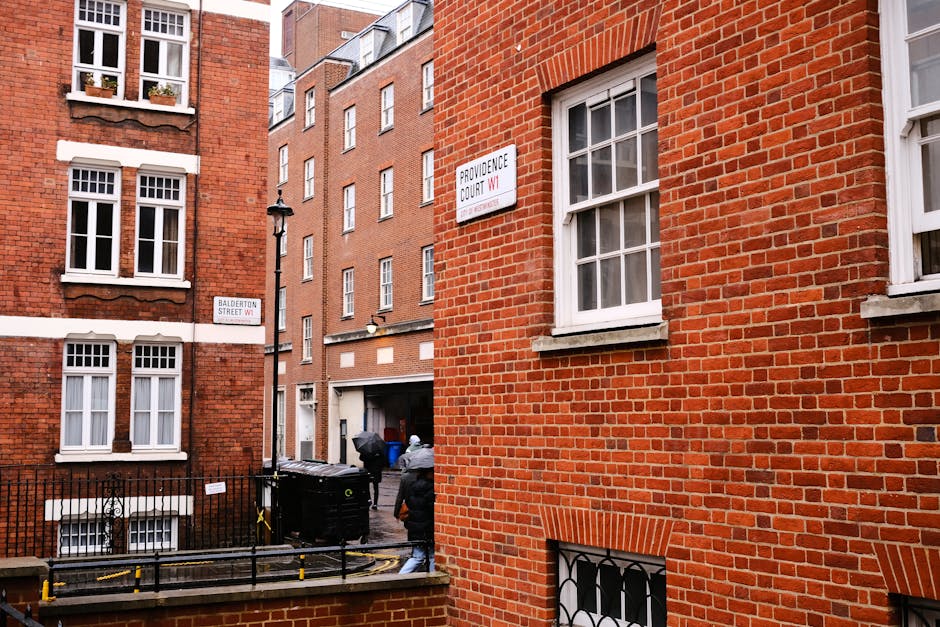
Marylebone adds its own layer of challenge too. Tight streets, controlled parking, busy roads, narrow stairwells, and buildings that seem to have been designed before anyone invented oversized sofas. A proper emergency move is not just "send a van quickly". It is a small operation. In this guide, we'll look at how providers handle emergency removals in Marylebone, what a good service actually looks like, and how you can avoid the classic last-minute mistakes that make a stressful day worse.
For readers planning ahead as well as those already in a bind, this article also points you towards useful next steps like same-day removals in Marylebone, broader removal services in Marylebone, and support options such as packing and boxes or storage in Marylebone.
Why Urgent Moves in Marylebone: How Providers Handle Emergency Jobs Matters
Emergency moves are different from planned removals in one crucial way: the timeline is compressed, but the risk stays the same. You still need the right vehicle, the right handling, the right access plan, and the right people. Only now you need all of that faster, often with incomplete information and a client who is understandably under pressure.
In Marylebone, that pressure can quickly become logistical. If a property is on a tight mews road, if loading is awkward, or if there is no easy place to stop, the difference between an ordinary move and a smooth emergency job can come down to preparation in the first ten minutes. Providers who do this well don't panic. They triage.
They ask the right questions, gather the essentials, and work out what can realistically be done today, what needs extra hands, and what should be moved in phases. That is the real skill behind urgent removals: not speed alone, but sensible speed. To be fair, that's the bit people often underestimate.
There is also a trust angle here. When people search for emergency movers, they are not just buying labour. They are looking for calm, clear judgement. They need reassurance that their belongings, access arrangements, and timings will be handled properly. A company that can explain the process clearly, reference its insurance and safety approach, and outline realistic next steps instantly stands out.
How Urgent Moves in Marylebone: How Providers Handle Emergency Jobs Works
Most emergency move providers follow a practical sequence, even if they don't describe it in exactly these words. First comes the quick assessment. Then the booking. Then dispatch. Then on-site problem solving. Simple on paper, slightly less simple on a Friday afternoon when a client has two hours to leave a flat and the lift has decided to take the day off.
Here is how the process usually unfolds.
1. Fast information gathering
The provider will usually ask for the basics: collection and delivery addresses, number and type of items, access conditions, whether there are stairs or lifts, and whether packing is already done. They may also ask if the move includes fragile or heavy items such as mirrors, artwork, or a piano. The reason is straightforward: a rushed estimate based on guesswork leads to delays later.
2. Vehicle and crew matching
Not every urgent job needs a full team. Sometimes a man and van in Marylebone is the right answer for a compact flat move or a few time-sensitive items. Other times, especially with larger household moves or office relocations, a bigger crew and a dedicated truck are safer and quicker. A good provider chooses based on the job, not on habit.
3. Access planning
This part matters more in Marylebone than many people expect. Narrow roads, resident permits, limited waiting space, and awkward building entrances can make or break a same-day move. Experienced teams plan where the vehicle can stop, how far items need to be carried, and what order to load in. Sometimes they will suggest alternatives, like using a smaller vehicle or a phased transfer via a removal van.
4. Packing or protection on the fly
Not every emergency move starts with everything boxed neatly. It rarely does, honestly. Providers often bring packing materials or offer rapid wrapping for high-risk items. If the move is particularly compressed, they may prioritise essentials first and use packing and boxes to secure the most fragile or valuable things before anything else.
5. Safe loading and transport
Even in a rush, the loading sequence matters. Heavy items should be secured low and balanced properly, while lighter or delicate items are protected from pressure and movement. Good teams do not just shove things into the van and hope for the best. That is how chipped furniture, crushed boxes, and unnecessary stress happen.
6. Delivery, placement, and final checks
At the destination, the provider should confirm where items need to go, unload carefully, and check for obvious damage before leaving. If the move is linked to a property handover, student changeover, or office closure, that final confirmation can save a lot of awkwardness later.
Key Benefits and Practical Advantages
Urgent removals are about more than convenience. In the right situation, they can stop a small problem becoming a much bigger one. A quick response can protect lease deadlines, reduce disruption, and keep your belongings moving when time is against you.
| Emergency move need | What a good provider does | Why it helps |
|---|---|---|
| Last-minute tenancy deadline | Confirms timing, access, and load size quickly | Reduces the risk of missed handover or extra occupancy costs |
| Sudden property completion | Dispatches the right vehicle and crew | Keeps the move aligned with legal or contractual timing |
| Unexpected office relocation | Plans around equipment and business continuity | Helps the business reopen faster |
| Broken-down vehicle or access issue | Offers flexible loading and short-notice support | Prevents delays from becoming a full stop |
| Unpacked or partially packed items | Provides rapid packing assistance | Protects belongings and keeps the job moving |
The biggest practical advantage is not just speed. It is control. A professional urgent move gives you a plan when the day has already gone sideways. That alone can take a huge weight off your shoulders.
Another benefit is flexibility. In Marylebone, people move for all kinds of reasons: a flat sale completing faster than expected, a landlord change, a sudden work relocation, or simply a need to shift furniture into storage while things are sorted out. The right provider can adapt the solution. And when the stakes are high, adaptability is worth a lot.
Who This Is For and When It Makes Sense
Emergency moving services are not only for dramatic life changes. Sometimes the job is urgent because of timing, not crisis. Other times, yes, it is a real scramble. A good provider should be able to tell the difference and act accordingly.
This kind of service often suits:
- Tenants facing a tight checkout deadline
- Homeowners whose completion date has moved unexpectedly
- Students who need a fast changeover between rentals
- Businesses needing office removals in Marylebone at short notice
- People moving only a few key items, especially via man with a van in Marylebone
- Households that need temporary holding via storage options
- Anyone dealing with an access problem, broken lift, or last-minute scheduling change
It also makes sense when the job is simple in size but awkward in timing. For example, moving a small flat after a sudden notice period might not require a large crew, but it absolutely does require quick coordination. Likewise, a single large item such as a piano or antique cabinet can need specialist handling even if the rest of the move is modest. In those cases, services like piano removals in Marylebone or furniture removals may be the smarter route.
Step-by-Step Guidance
If you need to arrange an emergency move, the best thing you can do is keep your process simple. Panic makes people skip steps. Skipped steps create more delays. It's a lovely little chain reaction, if not exactly the fun kind.
- Make a quick inventory. List the main items, especially anything bulky, fragile, valuable, or awkward to carry.
- Confirm your deadlines. Note the exact time you need to leave, hand over keys, or clear a space.
- Check access. Think about stairs, lifts, parking, entry codes, and loading restrictions.
- Decide what must move now. Separate essential items from things that can go later or into storage.
- Contact a provider immediately. Share clear information and ask what can realistically be done today.
- Ask for the right vehicle and crew. The best option may be a full removal team or a smaller vehicle, depending on the job.
- Prepare a clear destination plan. Tell the team where things should go on arrival so unloading is efficient.
- Keep documents and valuables with you. Don't place passports, contracts, keys, or essential paperwork in the moving load.
A useful real-world tip: if you are moving from a Marylebone flat and you have limited building access, send photos of the hallway, stairs, entrance, and any furniture that looks like a tight fit. A few images can save a lot of back-and-forth. Providers can assess whether a standard flat removal service, a compact van, or a more specialised approach makes sense.
Expert Tips for Better Results
Emergency jobs are won or lost in the small details. The following habits make a noticeable difference, even when everything feels rushed.
- Choose clarity over speed in communication. Fast replies are good, but accurate replies are better.
- Keep one person in charge of decisions. Too many voices on the day can slow everything down.
- Label anything that must stay accessible. Things like chargers, medication, charging cables, and a kettle should be easy to find later.
- Use storage as a pressure valve. If not everything needs to move now, storage in Marylebone can take the edge off the situation.
- Ask about packing support early. A last-minute packing service is easier to arrange before the truck arrives than while the team is already loading.
- Be honest about the size of the job. Understating the load usually costs more time later.
One thing experienced providers notice quickly is that people often forget the non-obvious items: bedside lamps, under-bed storage boxes, the contents of one half-open kitchen drawer, a printer full of cables. Those little pieces add up. A sensible emergency move always includes a sweep for the "almost forgotten" bits.
If you are dealing with an office, extra care is needed around IT gear, files, and access to the new site. A short call to discuss office removals in Marylebone can prevent a lot of awkward downtime later on.
Common Mistakes to Avoid
Let's face it, when people are in a rush, they tend to make the same avoidable mistakes. Here are the big ones.
Assuming every emergency move is the same
A one-room move is not the same as a multi-room household move. Nor is a fragile item transfer the same as clearing an office. The provider needs the right fit for the job, not a one-size-fits-all promise.
Leaving packing until the vehicle is outside
This is the classic panic move. It never helps. Even a short delay at the start can snowball into a missed deadline, especially in a busy area like Marylebone where access windows can be tight.
Not checking insurance and handling practices
For urgent jobs, it is tempting to choose the first available option. But you still want to know how items are protected, what happens if something is damaged, and whether the provider has a clear health and safety policy. Good companies explain this plainly.
Forgetting building rules or parking constraints
In London, this matters. If parking is restricted or the entrance is awkward, the move can stall before it begins. Always mention access details early, even if they seem obvious to you.
Booking the wrong type of service
Sometimes people request a full house move when what they really need is a smaller same-day transfer. Other times they underestimate the scale of the job and ask for a van when the furniture clearly needs two handlers. A little honesty here saves a lot of last-minute hassle.
Tools, Resources and Recommendations
You do not need fancy kit to handle an urgent move well, but a few practical tools make everything easier.
- Sturdy boxes and tape: basic, yes, but absolutely essential for preventing spill-out chaos.
- Labels or marker pens: useful for marking essentials, fragile items, and room destinations.
- Furniture covers and blankets: helpful for protecting corners and polished surfaces.
- Inventory notes on your phone: a quick list is better than relying on memory when things get busy.
- Photo references: images of parking access, door widths, and tricky stairs help the provider plan better.
- Spare keys and access codes: keep these ready before moving day starts, not after the van has arrived.
From a service standpoint, it also helps to look at the provider's wider information pages. For example, the services overview can give you a broader sense of what is available, while pricing and quotes helps set expectations before you commit. If you want to know more about the company itself, the about us page is worth a look too.
And if your move is tied to buying a property, a couple of related guides may be genuinely useful: home buying tips in Marylebone and the Marylebone real estate buying guide. Those are not removal guides exactly, but the timing between purchase, completion, and move often overlaps in real life.
Law, Compliance, Standards, or Best Practice
Emergency removals are practical services, but they still sit within a framework of duty of care, safety, and fair trading. You do not need to memorise legal text to make a good choice, but you should expect the provider to follow sensible UK practices.
At a minimum, a reputable removal company should be clear about the terms of service, payment handling, complaints route, and how it manages risk. That includes explaining what is covered, what is not, and how items are handled during loading and transport. It should also have a sensible approach to personal data, especially if you are sharing addresses, access details, and booking information. Their privacy policy and payment and security information should be easy to find and written in plain English.
From a safety perspective, look for a team that works carefully around stairs, doorways, and heavy items, and that does not cut corners simply because the job is urgent. The best practice is straightforward: protect people first, then the property, then the belongings. In that order. A good provider should also be transparent about escalation routes, including its complaints procedure and terms and conditions.
If sustainability matters to you, ask how packing waste, old boxes, and unwanted items are handled. A responsible provider will usually be able to explain its recycling and disposal approach, and may also offer guidance on reusing materials where possible. That may not be the first thing on your mind during an emergency move, but it is a good sign of an organised company.
Options, Methods, or Comparison Table
There is more than one way to handle an urgent move. The right option depends on time, volume, and access. Here is a simple comparison.
| Option | Best for | Strengths | Watch-outs |
|---|---|---|---|
| Same-day removals | Time-critical moves with immediate deadlines | Fast response, practical for urgent handovers | Availability can be limited at peak times |
| Man and van | Small to medium loads, a few key items, quick transfers | Flexible, often efficient for compact jobs | May not suit large or highly fragile moves |
| Full removal team | Larger homes, more furniture, more complex access | Better for heavier lifting and larger volumes | Needs more coordination and usually more notice |
| Storage plus move | When not everything can be moved at once | Reduces pressure and supports phased relocation | Requires an extra handoff and planning |
| Specialist item transport | Pianos, artwork, antiques, awkward items | Lower risk for valuable or difficult pieces | Needs correct handling and sometimes extra equipment |
For many emergency jobs in Marylebone, the real answer is a mix of methods. A small van may collect essentials immediately, while the rest goes into storage or is moved later. That hybrid approach often feels a lot calmer than trying to force everything into one rushed journey.
Case Study or Real-World Example
Imagine a tenant in Marylebone who gets a last-minute move-out date after a change in rental plans. The flat is on an upper floor, the hallway is narrow, and there is a sofa that barely made it in the first time. Not dramatic, just awkward enough to cause problems.
The provider starts with a quick call and asks for photos, a list of furniture, and details about access. It turns out the sofa is too large to carry safely without extra help, so the provider suggests moving essential boxes, small furniture, and electronics first via a compact vehicle, then returning with a larger team for the sofa and heavier items. A short-term storage option is also suggested for non-urgent belongings.
That solution does three things at once: it protects the deadline, reduces the chance of damage, and stops the client from making rushed packing choices late in the evening. There is no magic here. Just decent planning, clear communication, and the willingness to adjust the plan when the building or the timetable says "not like that, no".
Another common scenario involves office equipment. A business may need to vacate a small workspace quickly because the lease date moved or building access changed. The provider might use a smaller team for files and computers, then arrange a follow-up move for desks or storage units. That staggered approach is often more practical than trying to do everything in one frantic lift-out.
Practical Checklist
Use this quick checklist before you book or confirm an emergency move:
- Have you confirmed the exact move date and deadline?
- Do you know what must be moved today and what can wait?
- Have you checked stair access, lift access, and parking restrictions?
- Have you listed heavy, fragile, or unusual items?
- Have you shared photos if the access is tricky?
- Do you need packing help or boxes?
- Would some items be better placed in storage temporarily?
- Have you checked the provider's insurance and safety information?
- Do you understand the pricing structure and any urgent-job conditions?
- Have you kept documents, valuables, and keys separate from the load?
Expert summary: the best emergency move is the one that stays organised while everything else is moving fast. If the provider asks clear questions, adapts the plan, and handles access properly, you are already ahead of the game.
Conclusion
Urgent moves in Marylebone are rarely about speed alone. They are about timing, judgement, access, and the ability to keep calm when the day has already become complicated. Good providers handle emergency jobs by asking the right questions, choosing the right vehicle, managing awkward access, and protecting your belongings without fuss.
If you are facing a move with little notice, the goal is not perfection. It is control, safety, and a clear next step. That might mean same-day removals, a compact van, a larger crew, or a temporary storage plan. Whatever the mix, the right support should make the day feel manageable again.
Get a free quote today and see how much you can save.
And if you are still gathering information, take a breath. The first sensible call often makes the rest of the day feel a little less heavy.