Moving Antique Furniture in Marylebone: Damage Prevention Tips
Posted on 18/06/2026
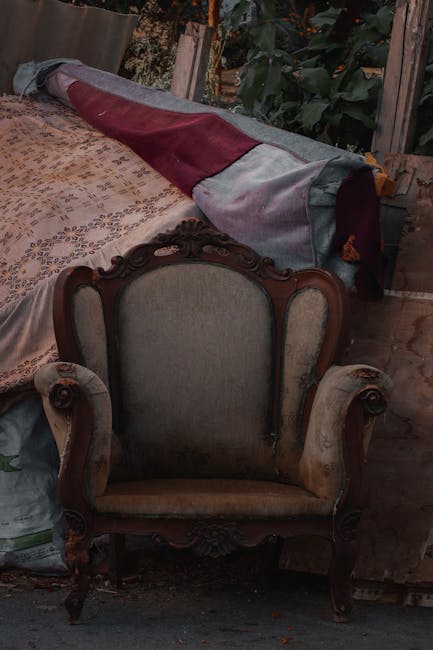
Antique furniture is different. It creaks, chips, catches on door frames, and sometimes seems to age ten years just by being looked at the wrong way. If you are moving antique furniture in Marylebone, damage prevention is not just a nice extra - it is the whole game. Between narrow stairwells, tight entrances, controlled parking, and the simple fact that old wood does not forgive rough handling, the margin for error is slim.
This guide walks you through the practical side of protecting heirloom pieces, vintage finds, and statement furniture during a Marylebone move. You will find the core risks, the best handling methods, a step-by-step plan, common mistakes to avoid, and a realistic checklist you can actually use on moving day. If you are comparing services or planning a broader home move, the right support matters too, which is why many people start by looking at specialist furniture removals in Marylebone or the wider removal services Marylebone households rely on.
Let's face it: antique pieces are often valuable in more than one way. Sentimentally, financially, and aesthetically, they matter. So the aim here is simple - help you get them from A to B in one piece, without drama, dents, or that sinking feeling when you spot a scratch after the van has already driven off.
Why Moving Antique Furniture in Marylebone: Damage Prevention Tips Matters
Antique furniture is often built in ways that are surprisingly robust, but also surprisingly fragile in the wrong places. Joints loosen with vibration, veneers lift under pressure, polished surfaces mark easily, and old finishes can react badly to heat, moisture, or over-wrapping. In a place like Marylebone, where homes often involve tighter access, more stairs, and less room to manoeuvre, those risks rise quickly.
What makes this especially important locally is the mix of property styles. Some homes have elegant but awkward layouts, older staircases, and narrow hallways that look fine until you try to turn a wardrobe, sideboard, or dining table around a corner. If you have ever stood in a hallway wondering whether a piece was designed before the concept of door frames existed, you will know the feeling.
Damage prevention also matters because antiques rarely respond well to rushed handling. A modern flat-pack cupboard might survive a bit of wobble. A walnut chest with old glue and hand-cut joints may not. One careless lift can undo years of care.
There is also the practical side: repairs on antiques are often harder, more expensive, and less satisfying than on ordinary furniture. Matching a veneer, restoring a finish, or stabilising historic joinery takes specialist skill. Sometimes a repair is visible forever. That is why prevention beats cure every time.
If your move is part of a larger household relocation, it can help to view the antique items as a separate category within the plan. Broad support from a local team - for example through house removals in Marylebone or even flat removals tailored to tighter access - can make it easier to control the movement sequence and keep fragile pieces away from crowded loading times.
How Moving Antique Furniture in Marylebone: Damage Prevention Tips Works
Good antique moving is not about wrapping everything in as much material as possible and hoping for the best. It is a process. You assess the piece, prepare the route, protect the surface, reduce stress on the structure, and keep movement controlled from first lift to final placement.
In plain English, the work happens in stages:
- Inspection: identify loose joints, missing screws, cracked legs, fragile handles, old glass, veneer issues, and existing marks.
- Preparation: empty drawers, remove detachable parts, secure doors, and photograph the item before it moves.
- Wrapping: use breathable protection where needed, followed by padded layers that stop scuffing and knocks.
- Moving route planning: check corners, stair widths, floor surfaces, and lifting points before any actual carrying begins.
- Loading: place pieces in the van in a stable position with anchor points and cushioning between items.
- Unloading and reassembly: reverse the process slowly, checking for movement, new damage, or stress on fittings.
The important thing is that antique furniture should never be treated as one-size-fits-all cargo. A marble-top console needs a different approach from a Victorian chair or an oak wardrobe. Even similar-looking pieces can behave differently because of age, repair history, and material composition.
That is why experienced movers tend to think in terms of structure, balance, and contact points. Where does the piece carry its weight? Which areas can take pressure, and which areas absolutely cannot? Those questions sound simple, but they are the difference between a smooth move and a repair bill.
For especially delicate or high-value items, a broader service mix may be sensible. Some moves pair antique furniture handling with secure storage in Marylebone if timings do not line up, or with professional packing and boxes where layered protection and careful labelling matter.
Key Benefits and Practical Advantages
The biggest benefit is obvious: less damage. But the real advantages go further than that.
- Lower repair risk: fewer scratches, dents, loosened joints, and broken fittings.
- Less moving stress: the whole day feels calmer when there is a clear process.
- Better control over valuable items: you know where each piece is, who handled it, and how it was protected.
- Safer lifting: controlled handling reduces the chance of injuries to people as well as damage to furniture.
- More predictable timing: planned routes and measured movement avoid the stop-start chaos that often causes accidents.
- Better insurance readiness: if the unexpected happens, photos and records make claims easier to discuss.
There is another benefit that people sometimes overlook: confidence. Once you know the furniture has been assessed and packed properly, you stop hovering over every movement like an anxious football manager on the touchline. That matters more than it sounds. A calm move tends to be a safer move.
And to be fair, antique furniture is often part of the character of a home. It deserves a bit of respect. Not fuss. Respect.
If your move also involves finding the right local removal team, it can be worth reviewing the broader services overview and, if needed, the company background on about us so you know who is handling your belongings and how they approach safety.
Who This Is For and When It Makes Sense
This advice is useful for more people than you might think. Antique furniture moving is not only for collectors and interior design enthusiasts. It applies whenever a piece is old, delicate, unusually shaped, or emotionally important.
It makes sense if you are:
- moving inherited furniture from a family home
- relocating a period property with original pieces
- selling or buying antiques in Marylebone
- moving into a flat where stairs and landings are tight
- storing antiques temporarily before completion or refurbishment
- handling a same-day or short-notice move where planning still has to be sharp
It also makes sense if the piece looks sturdy but has hidden weaknesses. A table may seem solid, yet the legs could be only lightly fixed. A cabinet may have old repairs hidden under newer varnish. You do not always know until you inspect it closely.
Marylebone adds a few extra layers. Parking is not always simple, access can be awkward, and some buildings just do not give you much breathing room. If your move involves a more complicated street setup, related local guidance like parking permit tips for Wimpole Street and Cavendish Square moves and navigating tight terraces in Marylebone can be surprisingly helpful background reading.
Step-by-Step Guidance
Here is a practical way to handle antique furniture without overcomplicating the day.
- Make a room-by-room inventory. Note each antique piece, its condition, and any known weak spots. If a drawer sticks or a foot is already repaired, record it.
- Take clear photos before touching anything. Photograph front, back, sides, corners, surfaces, and any marks. Use good light, ideally before the day turns hectic.
- Measure the item and the route. Check door frames, stair turns, lifts, and hallway width. This is the bit people skip, then regret later.
- Remove loose components. Take out shelves, glass inserts, keys, detachable legs, and ornaments where safe to do so.
- Secure openings. Tape doors shut only where appropriate and never directly on delicate finishes. Use soft ties or removable straps when possible.
- Wrap with the right layers. Start with clean, gentle protection, then add padding where there will be contact or vibration. Avoid material that traps moisture against old wood for long periods.
- Protect corners and protrusions. Corners, carved edges, handles, and feet are usually the first things to suffer.
- Lift with a plan. Assign roles before the lift starts. One person calls the turns, another watches the clearance, and nobody rushes the stair landing.
- Load the van carefully. Place heavier items low and secure them so they cannot slide or tip. Leave space for cushioning between pieces.
- Check again on arrival. Once unloaded, inspect every piece before reassembling or moving it into final position.
A useful rule: if the piece has sentimental value, behave as though it were more delicate than it looks. That one thought can save you from a careless carry.
If the antique is part of a larger furniture set or you need transport for multiple bulky items, a team experienced with removals in Marylebone and properly sized removal van options can make it easier to keep the load stable and avoid stacking mistakes.
Expert Tips for Better Results
Some of the best damage prevention steps are small. Not glamorous. But they work.
- Lift from the structure, not the ornament: avoid pulling by handles, carved trims, or loose decorative edges.
- Use two people for awkward pieces: even a small antique cabinet can twist if one person bears too much weight.
- Keep items upright where possible: certain pieces are less stable on their side, especially if joints are older.
- Never stack antiques directly together: even if they look solid, pressure points can leave hidden damage.
- Allow extra time: rushing is the enemy here. Always. No exceptions, really.
- Keep humidity in mind: a damp moving blanket left on polished wood for too long can be a problem.
One practical habit that helps: before moving day, do a "tap and wiggle" check on drawers, legs, and doors. If something moves more than it should, address it before the item goes near a staircase. This takes two minutes and can save hours.
Another useful habit is to protect the building itself too. In Marylebone, a scuffed banister or chipped wall can be just as awkward as damage to the furniture. Padding door frames and staircase edges is not overkill; it is sensible. A bit of felt, a bit of blanket, a bit of patience.
For a move that includes both antiques and specialist items, it can be wise to speak with providers who understand broader handling needs. For example, people moving a mix of antique furniture and fragile entertainment items often compare with piano removals in Marylebone because the same principles of careful lifting, route planning, and protection apply.

Common Mistakes to Avoid
Most antique damage is not caused by freak accidents. It is caused by predictable mistakes.
- Wrapping too tightly: compression marks and finish damage can happen if packing is overly aggressive.
- Using the wrong materials: rough blankets, sticky tape, or cheap wrap can leave residue or abrasion.
- Not disassembling enough: leaving removable parts attached makes the item harder to control.
- Forgetting about stair turns: the item fits the room, until it reaches the landing.
- Loading in the wrong order: if the antique ends up trapped behind heavier items, unloading becomes risky.
- Failing to document condition: without photos, it is hard to know whether an issue was pre-existing.
- Assuming all movers treat antiques the same: they do not. Experience matters here more than people think.
A quieter mistake, but a serious one: leaving the packing job until the last minute. Antique pieces take longer than expected because you are balancing protection with preservation. Sometimes you need to pause and think. That is not inefficiency. That is care.
If the schedule is tight, you may need to decide whether to move everything in one go or separate the antique items from the rest. In some cases, short-term storage in Marylebone is the safer option. It is not a failure to split the move. It is often the smarter choice.
Tools, Resources and Recommendations
You do not need a warehouse full of specialist gear, but the right tools matter. The aim is protection without overpacking the item into a suffocating cocoon.
| Tool or item | Why it helps | Best used for |
|---|---|---|
| Furniture blankets | Provide cushioning against knocks and rubbing | Cabinets, tables, wardrobes, sideboards |
| Corner protectors | Reduce chip and dent risk at vulnerable edges | Tables, frames, boxy antiques |
| Soft straps | Keep doors or loose sections secure without heavy pressure | Display cabinets, cupboards, drawers |
| Non-abrasive wrap | Protects surfaces during handling and transport | Polished wood, lacquer, delicate veneer |
| Sliders and dollies | Reduce lifting strain and help controlled movement | Heavy furniture in tight spaces |
| Labels and tape | Helps with reassembly and orientation | Drawers, shelves, detachable parts |
Beyond tools, think about service fit. Not every move needs the same setup. Some jobs are best handled by a full crew; others only need a smaller vehicle and focused handling. If you are comparing options, the pages for man and van in Marylebone, man with a van, and office removals in Marylebone can help you think through service style, even if your move is residential. Not because they are identical - they are not - but because they show different handling priorities and scale.
If you are concerned about security during the payment or booking stage, it is worth reading the company's information on payment and security and pricing and quotes so you know what to expect before anything is booked.
Law, Compliance, Standards, or Best Practice
For antique furniture moves, the most relevant legal and operational considerations are usually practical rather than dramatic. In the UK, removal work should be carried out with proper care for both people and property, and a reputable provider should have sensible policies around safety, handling, and insurance.
Here are the main best-practice points to keep in mind:
- Check insurance coverage: understand what is covered for loading, transit, and unloading. Do not assume every item is covered in the same way.
- Use appropriate lifting methods: manual handling should be planned to reduce risk to people and property.
- Document pre-existing condition: this is useful for both your own peace of mind and any later discussion about damage.
- Follow health and safety procedures: especially where stairs, awkward access, or multiple heavy items are involved.
- Read terms before booking: including what happens if access is harder than expected or if a piece requires extra handling.
Good providers will usually be transparent about their approach. It is sensible to review pages such as insurance and safety, health and safety policy, terms and conditions, and privacy policy before handing over booking details. That is just good housekeeping, really.
There is also a broader sustainability angle. If wrapping materials or old packaging need removing, it helps to use a provider with sensible disposal practices. You can read more on recycling and sustainability. Antique moving often creates packaging waste, and handling it properly matters.
Options, Methods, or Comparison Table
Different approaches suit different antique moves. Here is a simple comparison to help you decide.
| Approach | Best for | Pros | Trade-offs |
|---|---|---|---|
| DIY move | Small, sturdy antiques and short distances | Lower direct cost, full control | Higher risk if you underestimate weight, access, or fragility |
| Man and van service | Fewer items, simpler access, lighter antique pieces | Flexible, often practical for local moves | May not suit highly delicate or oversized antiques without extra planning |
| Full removal service | Multiple antiques, complex access, larger household moves | More support, better route management, less lifting pressure on you | Usually more involved to book and coordinate |
| Storage-first approach | Moves with timing gaps, refurbishment, or staged relocation | Useful when you need flexibility and safer pacing | Extra handling step and potential additional cost |
Truth be told, there is no perfect universal option. The right one depends on the condition of the piece, the building access, the distance, and how much stress you want on the day. For some people, the best answer is a mixed approach - a small move service plus storage, or a full service just for the antiques and DIY for the less delicate items.
Case Study or Real-World Example
Imagine a Marylebone household moving a pair of antique bedside cabinets, a late-19th-century dining table, and a fragile mirror from a first-floor flat. Nothing outrageous. Just the sort of move that seems manageable until you see the stairs.
On inspection, one cabinet has a loose drawer runner, the dining table has detachable legs, and the mirror frame has an old repair at one corner. Rather than wrapping everything together and hoping the pieces stay quiet, the move is split into a sequence:
- the mirror is protected with extra corner padding and kept upright
- the table legs are removed and labelled individually
- the cabinets are wrapped separately so they do not rub each other
- the route is checked before lifting begins, including the final turn at the landing
- the van is loaded so the mirror is not boxed in behind heavier furniture
Nothing dramatic happens. Which is exactly the point. The move feels almost boring, in the best possible way. No bang on the stair rail, no wobble in the van, no surprise chip discovered later under the hallway light.
That kind of result usually comes from preparation rather than luck. And the prep is often what separates a smooth antique move from a nervous one.
If you are mapping out your move alongside a property purchase or relocation in the area, related local pages such as the truth about living in Marylebone, home buying tips in Marylebone, and Marylebone real estate buying guide can help you plan the wider move context, not just the furniture itself.
Practical Checklist
Use this checklist before moving day. It is simple, but it keeps the right things in front of you.
- Photograph every antique item from multiple angles
- Measure furniture and all access points
- Check for loose joints, drawers, handles, and feet
- Remove detachable parts and label them clearly
- Choose appropriate padding and wrapping materials
- Protect corners, edges, and polished surfaces
- Plan who will lift, guide, and open doors
- Reserve parking or access arrangements if needed
- Prepare a clear loading order for the van
- Keep tools, screws, and labels together in one safe pouch
- Inspect everything again on arrival
- Store proof of condition and booking details safely
Expert summary: Antique furniture moves well when you treat it like a collection of vulnerable details, not one heavy object. Slow the process down, protect the weak points, and plan the route as carefully as the packing.
If you are in a hurry or facing a last-minute key handover, some people also consider same day removals in Marylebone. That can work, but only if the antique items still get the same careful treatment. Fast does not have to mean rough, though it sometimes does if the plan is sloppy.
Get a free quote today and see how much you can save.
Conclusion
Moving antique furniture in Marylebone is really a test of patience, planning, and judgement. The furniture itself may be old, but the rules are simple: know what you are moving, know where it is vulnerable, and never let haste make the decisions. That is the heart of damage prevention.
When you pair good preparation with the right local support, the whole move becomes less stressful and far more controlled. You do not need theatrics. You need careful wrapping, sensible lifting, a clear route, and a team that understands what a precious piece needs. Small details, handled properly, make a big difference.
And if there is one final thought to hold onto, it is this: antiques have lasted this long for a reason. Treat them with care on the move, and they will likely keep telling their story for many years yet.